Odds as a Guiding Measure: From Gambling to Society’s Barometer of Expectations

Odds as a Guiding Measure: From Gambling to Society’s Barometer of Expectations
Odds are most often associated with sports and gambling—betting slips, point spreads, and weekend games. But odds are more than a tool for bookmakers and bettors. They act as a mirror of collective expectations, a kind of social thermometer that reflects what we believe, hope, and fear will happen. From presidential elections to the Oscars and even weather forecasts, odds have become a modern way of gauging how society perceives probability and possibility.
From the Bookmaker’s Math to Public Sentiment
At their core, odds express probability—but also demand. When many people bet on a particular outcome, the odds shift to reflect not only statistical likelihood but also collective belief. In that sense, odds are shaped by both data and human behavior.
When a candidate’s odds of winning the presidency suddenly shorten, it can signal a shift in public perception—at least among those willing to put money on the line. Bookmakers’ numbers can therefore serve as a kind of real-time poll, often reacting faster than traditional surveys or pundit analyses. They capture the pulse of public sentiment in a way that blends mathematics with psychology.
Læs også:



Odds as a Modern Barometer of Expectation
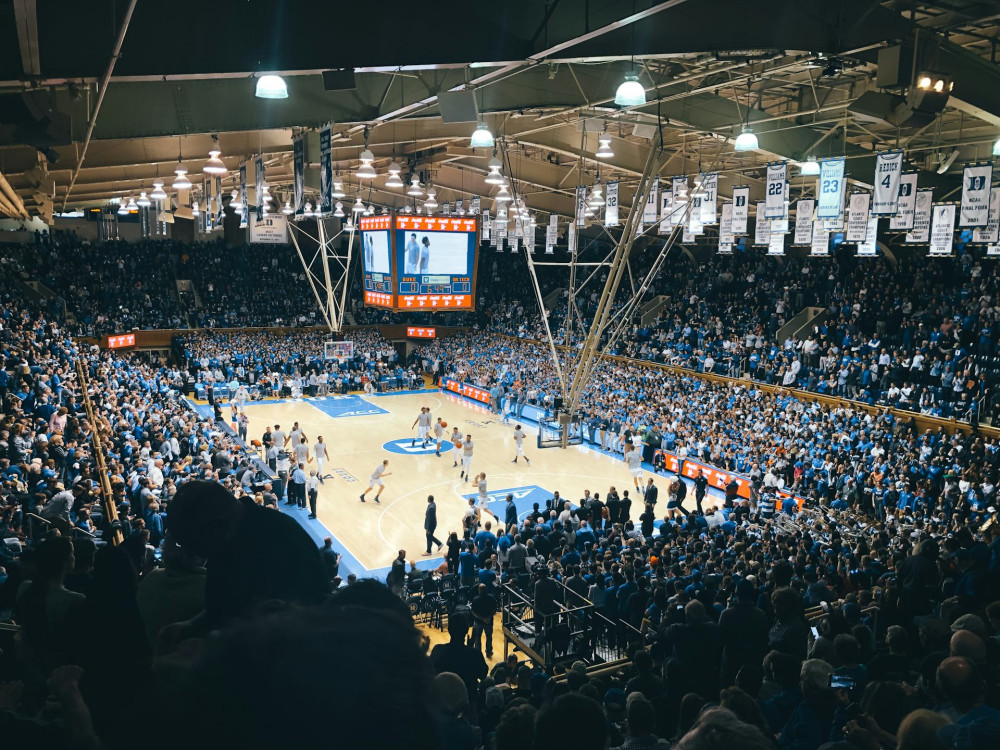
In an age dominated by data and prediction, odds have taken on a new cultural role. They are no longer confined to casinos or betting apps; journalists, analysts, and everyday citizens now use them as shorthand for what seems likely or unlikely. When media outlets report that a team has “10-to-1 odds” to win the Super Bowl, it’s not just a gambling statistic—it’s a story about hope, realism, and national mood.
Similarly, odds on economic events—like interest rate changes or stock market movements—offer a glimpse into how markets collectively assess the future. They represent a fusion of countless small judgments into a single, dynamic measure of expectation.
When the Language of Betting Enters Everyday Life
It’s no coincidence that betting language has seeped into everyday conversation. We talk about “long odds” when something seems improbable, or say someone is “a safe bet” when we trust their reliability. This linguistic crossover shows how the logic of gambling has become part of how we think about uncertainty and risk.
Digitalization has accelerated this trend. With a few taps on a smartphone, anyone can track odds in real time, watching them fluctuate with every news update or viral post. For many, following these shifts has become a form of entertainment in itself—a way to stay connected to the world’s unfolding events through numbers that constantly adjust to collective reactions.
Ethical Reflections and Boundaries
While odds can offer fascinating insights, it’s important to remember that they remain part of a commercial industry. They are not neutral data points but products designed to generate revenue. Using them as the sole lens for understanding social trends can be misleading.
There’s also an ethical dimension. When odds are placed on everything from elections to celebrity relationships, the line between play and reality begins to blur. This can foster a culture where everything becomes a game—even issues that deserve seriousness and respect. The challenge lies in appreciating the informational value of odds without losing sight of their origins in gambling.
From Game to Social Indicator
Today, odds are more than just numbers on a screen. They reflect how we, as a society, interpret probability, risk, and hope. They reveal how collective expectations form and evolve—and how we use the logic of the game to make sense of a complex world.
When we look at odds, we are, in a way, looking at ourselves: at our confidence, our doubts, and our dreams. And perhaps that’s why odds have become one of the most intriguing measures of our time—a place where statistics meet psychology, and where the game becomes a mirror of society itself.
Læs også: