Pressure and Performance: How to Assess a Basketball Team’s Mental Toughness

Pressure and Performance: How to Assess a Basketball Team’s Mental Toughness
In basketball, success isn’t just about height, speed, or shooting percentage. The best teams often separate themselves through something less visible but equally powerful – mental toughness. The ability to stay composed, handle pressure, and bounce back from adversity can determine whether a team wins or loses, especially in close games. But how can you actually assess a team’s mental resilience? Here’s a guide to what to look for when evaluating a basketball team’s psychological edge.
Unity Under Pressure
A team’s true character shows when things don’t go according to plan. How do players react when they’re down by ten in the fourth quarter? Do you see frustration, finger-pointing, and isolation – or communication, trust, and belief in the game plan?
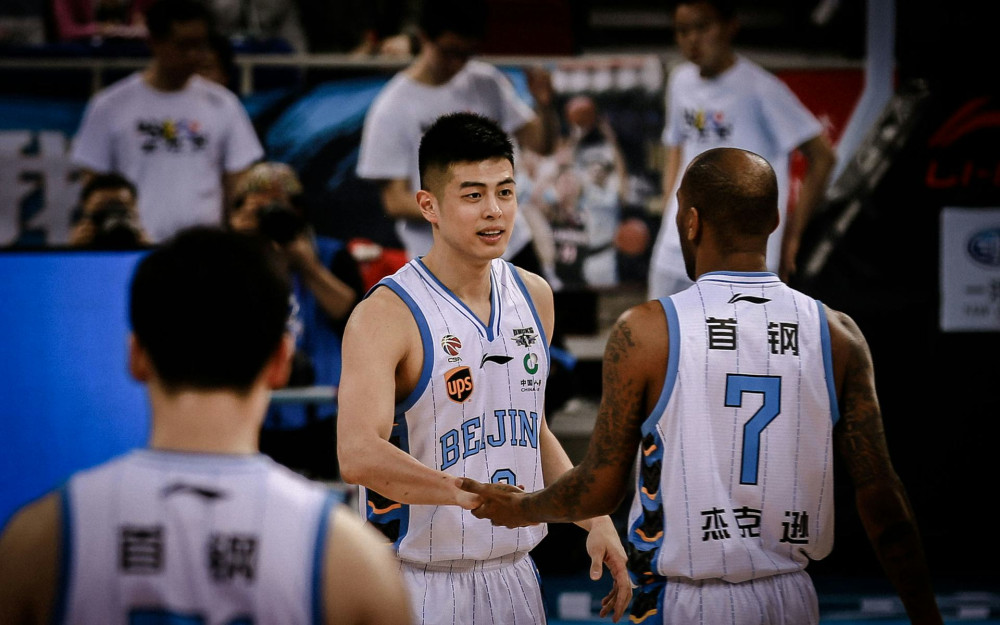
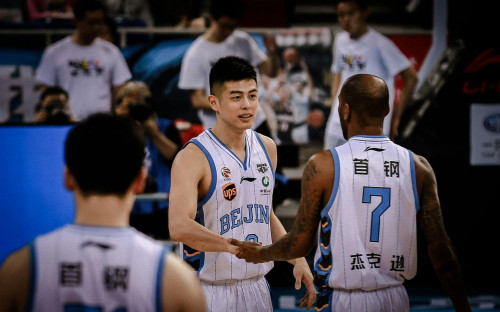
Teams that stay united under pressure usually have a strong internal culture built on accountability and support. You can see it in their body language: teammates patting each other on the back after a turnover, a bench that stays engaged even when the opponent goes on a run. Those are signs of a group that believes in itself – and in each other.
Leadership On and Off the Court
Mental toughness is closely tied to leadership. Teams with clear leaders – both coaches and players – are better equipped to navigate stressful moments. Watch who speaks up during timeouts and who rallies the group when momentum shifts.
A veteran point guard who controls tempo and keeps composure can be the difference between panic and poise. But leadership doesn’t always come from the star player. It can come from a defensive specialist who sets the tone with energy and communication, or a young player who steps up with confidence in a big moment.
Læs også:

Response to Mistakes and Adversity
Mistakes are inevitable in basketball – the key is how a team responds. A mentally tough team doesn’t unravel after a missed three-pointer or a questionable foul call. They regroup, adjust, and move forward.
A good indicator is how quickly a team regains rhythm after a bad stretch. If they respond with disciplined defense or a well-executed offensive set, it shows resilience. On the other hand, if frustration leads to rushed shots or careless turnovers, it may signal a lack of mental stability when the pressure rises.
Communication and Body Language
Communication is one of the most underrated signs of mental strength. Teams that talk constantly – calling out screens, directing traffic, encouraging each other – show focus and engagement. Silence on the court can be a red flag for uncertainty or loss of confidence.
Body language tells its own story. Players who hang their heads, roll their eyes, or disengage after mistakes reveal frustration. Teams that maintain energy and positive gestures, even after setbacks, demonstrate the mental readiness to keep fighting.
Closing Out Games
The final minutes of a tight game are the ultimate test of mental toughness. Every decision is magnified, and nerves can make or break a team. Teams that stay calm, execute plays, and make smart decisions under pressure usually have a strong mental foundation.
Pay attention to how a team handles timeouts, free throws, and possessions in crunch time. Is there structure and trust – or chaos and hesitation? Advanced stats like “clutch performance” can offer clues, but observing behavior in real time often reveals even more about a team’s mindset.
The Coach’s Role in Building Mental Culture
A coach’s philosophy plays a huge role in shaping a team’s mental profile. Coaches who create a culture of trust, clear roles, and learning from mistakes tend to develop players who take responsibility and stay confident. In contrast, environments driven by fear of failure often produce hesitation and inconsistency.
A mentally tough team doesn’t happen by accident – it’s the result of intentional work on communication, trust, and shared goals. When assessing a team’s mental toughness, look beyond the players to the leadership that molds them.
Mental Toughness as a Competitive Edge
In today’s game, the margin between two teams is often razor-thin. That’s why the mental side of basketball has become such a critical differentiator – for coaches, players, and analysts alike. A team that can handle pressure, stay focused, and play as one unit has a clear advantage, no matter how talented the opposition.
Evaluating mental toughness takes observation, context, and understanding. But once you learn to recognize the subtle signs – in body language, communication, and reactions – you gain a deeper appreciation for what truly separates winners in basketball.
Læs også: