Temperament and Playing Style – Factors That Influence the Course of a Darts Match

Temperament and Playing Style – Factors That Influence the Course of a Darts Match
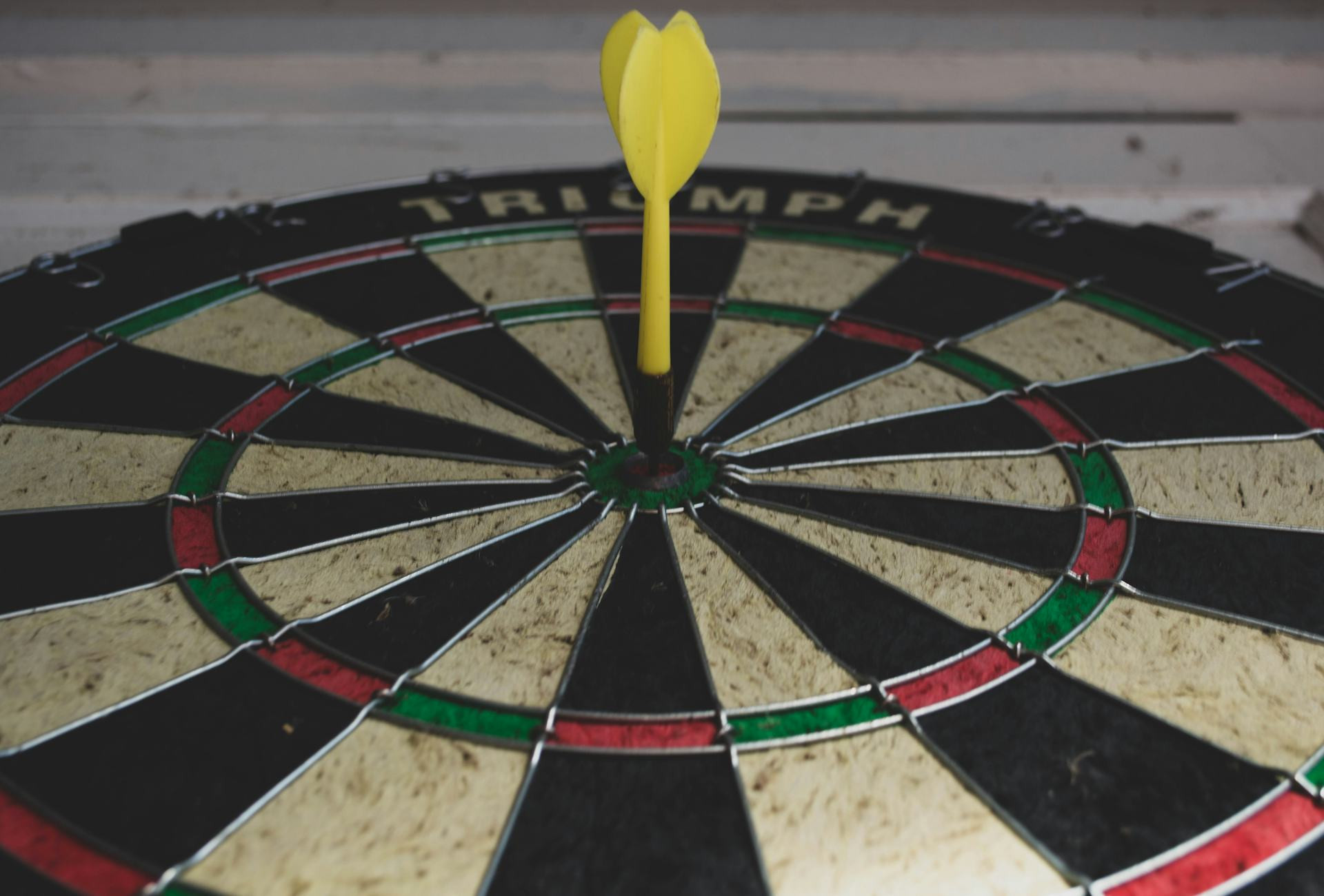
When two dart players face each other, it’s not just about technique and precision. The flow of a match is shaped by temperament, playing style, and the ability to handle pressure. Darts is as much a mental game as it is a physical one, where small shifts in focus or mood can change everything. In this article, we’ll explore how personality and playing style influence the dynamics of a darts match—and why the mental side of the game is often just as important as the throw itself.
The Role of Temperament – From Calm to Fire
Temperament is one of the most visible differences between players. Some are calm and analytical, while others play with intensity and emotion. Both approaches can lead to success, but they require different strategies to work effectively.
- The calm temperament brings stability. Players who stay composed rarely let an opponent’s high scores or the crowd’s reactions throw them off. They focus on rhythm and technique, which often results in fewer mistakes under pressure.
- The fiery temperament can generate energy and momentum. Some players use emotion as fuel—a shout after hitting a 180 can lift both themselves and the audience. But it’s a double-edged sword: if that energy turns into frustration, concentration can quickly crumble.
Understanding one’s own temperament and learning to manage it is a key part of mental training in darts.
Playing Style – Rhythm, Tempo, and Strategy
Playing style isn’t just about how a player throws; it’s also about pace, rhythm, and approach. Some players thrive on a fast tempo, keeping the game flowing, while others prefer to take their time between throws.
- Fast players often try to maintain momentum and keep their opponents under pressure. They use rhythm to build confidence and flow.
- Deliberate players take time to think and control the situation. They can disrupt an opponent’s rhythm and turn the match into a more tactical battle.
There’s no single “right” playing style—the key is finding what feels natural and allows for consistent focus. Many professionals work deliberately to discover the rhythm that best matches their temperament.
The Mental Game – When Nerves Step In
Darts is a game of millimeters, which means the mind plays a huge role. Even the most technically skilled player can falter if nerves take over. The ability to handle pressure, especially in decisive moments, often separates the best from the rest.
Visualization, breathing techniques, and pre-throw routines are common tools players use to stay calm. Many have rituals—a set number of steps back from the oche, a deep breath, a steady look at the target—that help create a sense of control and focus.
The Opponent’s Influence – A Psychological Battle
In darts, the opponent is always close. You stand just a few feet apart, and every score is felt immediately. This proximity makes the psychological aspect intense. Some players try to influence their opponent through body language, changes in tempo, or subtle displays of confidence or frustration.
The ability to maintain one’s own rhythm regardless of what the opponent does is a vital skill. The most experienced players don’t get drawn into emotional exchanges—they use the opponent’s energy as a cue to strengthen their own focus.
The Crowd and Atmosphere – When the Setting Becomes a Factor
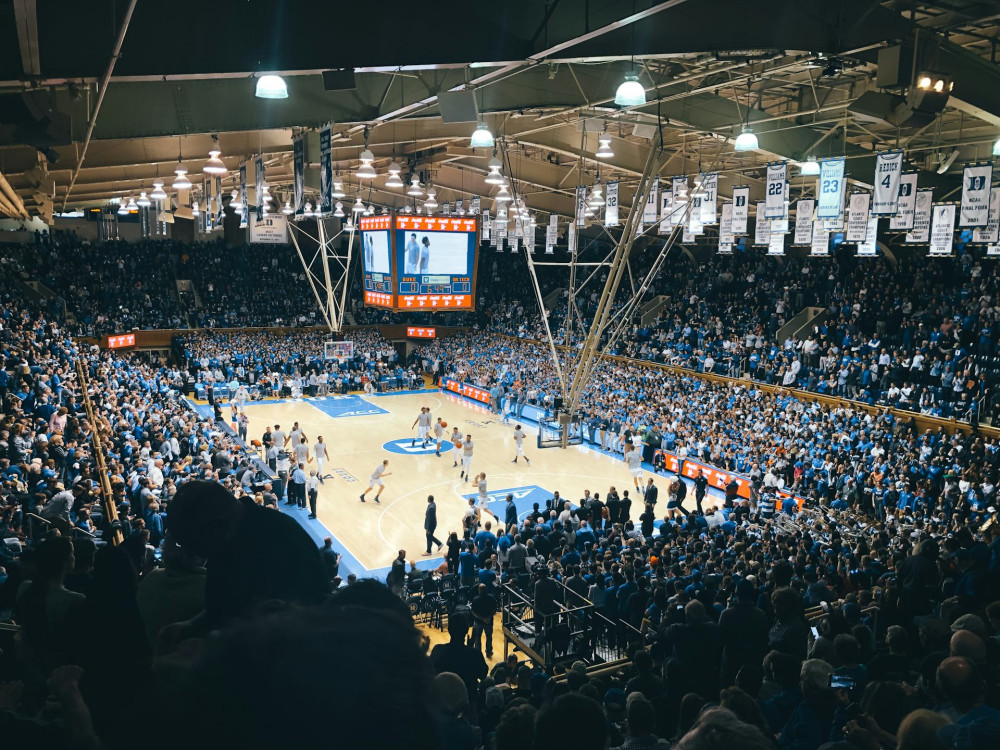
Darts is often played in front of lively crowds, and the atmosphere can be both a boost and a challenge. Some players thrive on the noise, using the crowd’s energy to elevate their performance. Others prefer quiet and can be distracted by cheers or heckling.
Learning to filter out distractions is part of mental discipline. Professional players often train under different conditions so they can maintain concentration whether they’re in a quiet bar league or a packed arena.
Læs også:

The Interaction Between Temperament and Playing Style
The most fascinating aspect of darts emerges when temperament and playing style intersect. A calm player with a fast rhythm can be unpredictable, while a fiery player with a slow pace can create a tense, tactical match. The combination of personality and technique gives darts its variety—and makes every match unique.
Understanding one’s own profile and adapting strategy accordingly is key to growth as a player. It’s not about changing who you are, but about using your strengths consciously.
Conclusion – Darts as a Mental Balancing Act
Darts is far more than a matter of hitting the bullseye. It’s a balancing act between technique, temperament, and mental strength. The player who can stay calm, channel energy effectively, and adapt their playing style to the situation stands the best chance of winning.
Whether you play casually at a local bar or compete on a professional stage, understanding temperament and playing style can make your game not only more consistent—but also more rewarding.
Læs også: