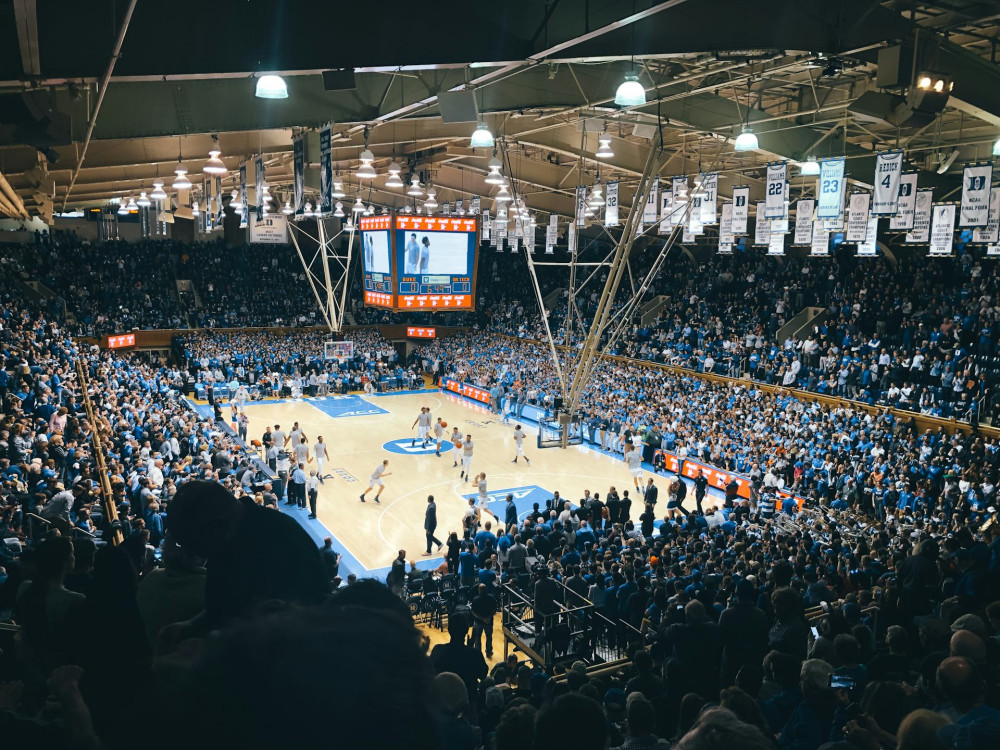
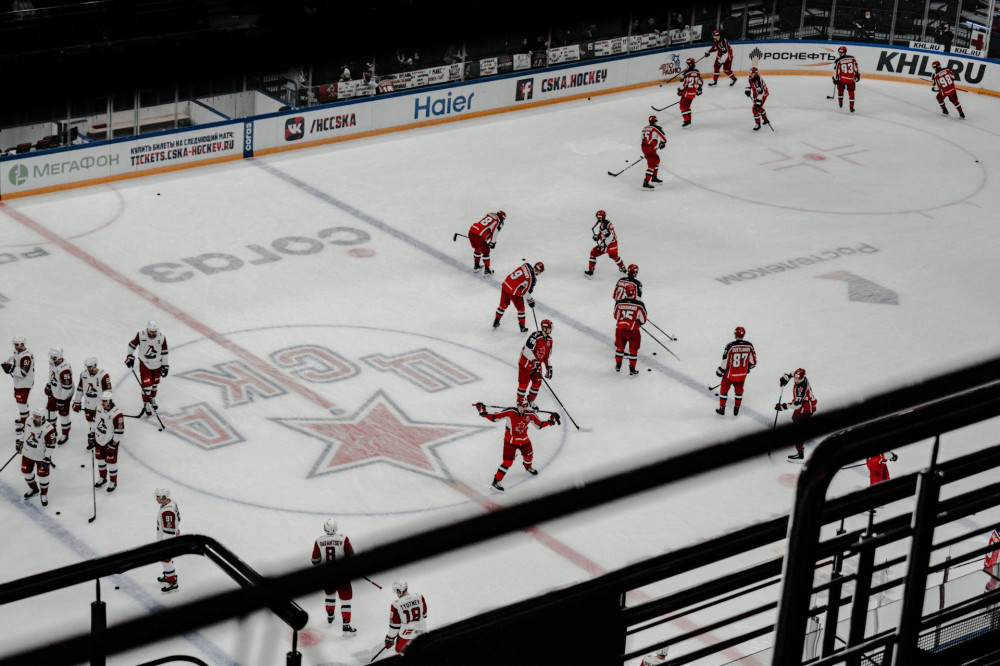
The Context of the Match: How to Include Motivation and Tournament Phase in Your Analysis

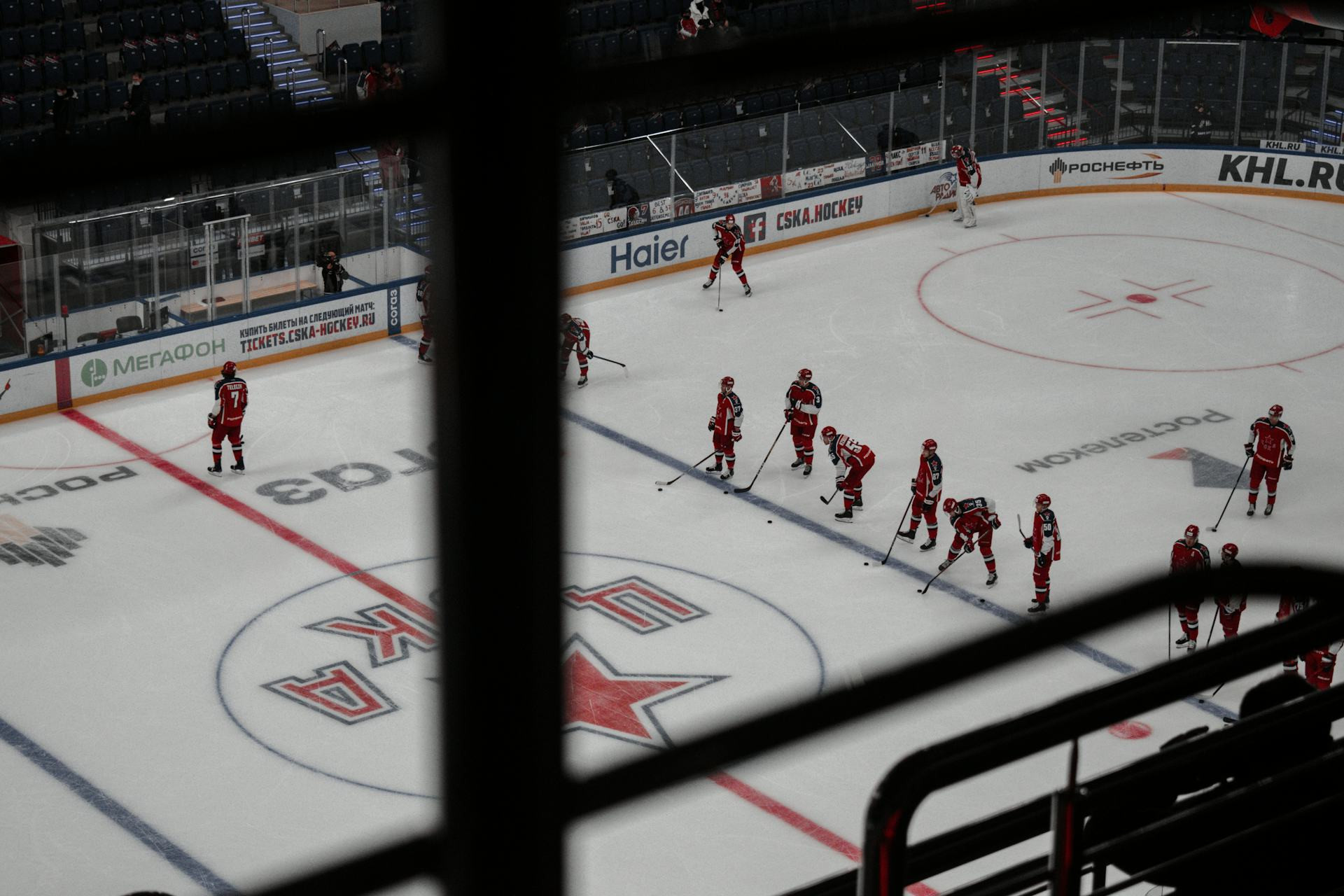
The Context of the Match: How to Include Motivation and Tournament Phase in Your Analysis
When analyzing a hockey game—whether you’re doing it to understand the sport better or to evaluate a potential wager—it’s essential to look beyond stats and recent form. A game is never just a game. Team motivation, the stage of the tournament, and the psychological factors surrounding the matchup can be just as influential as shot counts or power-play percentages. In this article, we’ll explore how to include the context of the match in your analysis to gain a more complete picture of what might happen on the ice.
Motivation – The Invisible Factor
Motivation is often the most underestimated yet decisive factor in sports. A team fighting to secure a playoff spot may play with an intensity that surpasses a top seed that has already clinched its position. Conversely, a team coming off a grueling road trip might lack the energy and focus to perform at its best, even if its roster is stronger on paper.
When assessing motivation, ask yourself:
- What’s at stake? Is the team battling for a playoff berth, home-ice advantage, or simply pride?
- What’s the schedule like? A team playing its third game in four nights may be physically and mentally drained.
- Is there a rivalry involved? Divisional matchups or long-standing rivalries can elevate intensity and unpredictability.
- What’s the locker room atmosphere? Injuries, coaching changes, or internal tension can all affect how motivated a team feels.
Understanding motivation means reading between the lines—listening to press conferences, watching player interviews, and noticing body language on the ice.
The Tournament Phase – Why Timing Changes Everything
A game in October feels very different from one in April. Early-season matchups often focus on building chemistry and testing line combinations, while playoff games are defined by intensity, discipline, and razor-thin margins.
Regular Season
During the regular season, games tend to be more open. Coaches experiment with tactics, and younger players get opportunities to prove themselves. This can lead to higher-scoring games and unpredictable outcomes—especially when a team has already secured a comfortable position and plays with less pressure.
Playoffs
Once the postseason begins, everything tightens up. Every shift matters, and teams minimize risk. Defensive structure becomes paramount, and games often turn into low-scoring battles. Experience and mental toughness become critical, and home-ice advantage can carry extra weight as the crowd’s energy influences both players and officials.
Qualification and Elimination Battles
At the other end of the standings, teams fighting to make the playoffs—or to avoid elimination—face enormous pressure. Motivation is sky-high, but that pressure can either fuel performance or cause collapse. Some teams thrive in must-win situations, while others struggle under the weight of expectation.
Recognizing which phase of the season or tournament you’re in helps you anticipate how teams are likely to approach the game.
Psychological and Tactical Layers
Motivation and tournament phase don’t just affect effort levels—they shape tactics. A team that only needs one point to advance may play conservatively, focusing on defense and puck management. A team that must win by multiple goals might take more risks, opening up the game.
Momentum also plays a role. A team riding a winning streak often carries confidence and cohesion, while a team in a slump may be fragile and prone to mistakes. Small moments—a quick goal, a big save, or a controversial penalty—can completely shift the emotional balance of a game.
Læs også:



How to Use Context in Your Analysis
When analyzing a matchup, combine hard data with soft context. Statistics tell you how teams usually perform—but context tells you how they’re likely to perform this time.
A good starting point is to ask three key questions:
- What’s the team’s motivation? Who has more to play for, and how might that influence their approach?
- What stage of the tournament are we in? Is this a game where teams take risks, or one where caution dominates?
- What’s the tactical and psychological situation? Are there injuries, fatigue, or mental factors that could tip the balance?
By answering these questions, you’ll gain a more realistic sense of how the game might unfold—and a stronger foundation for your evaluation.
Context Makes the Difference
Hockey is a sport of speed, skill, and chaos—but it’s also a sport of patterns and psychology. The analyst who understands the context of the match often sees what the numbers alone can’t reveal. Whether you’re studying the game for fun or with a wager in mind, context is where true insight begins.
Læs også: