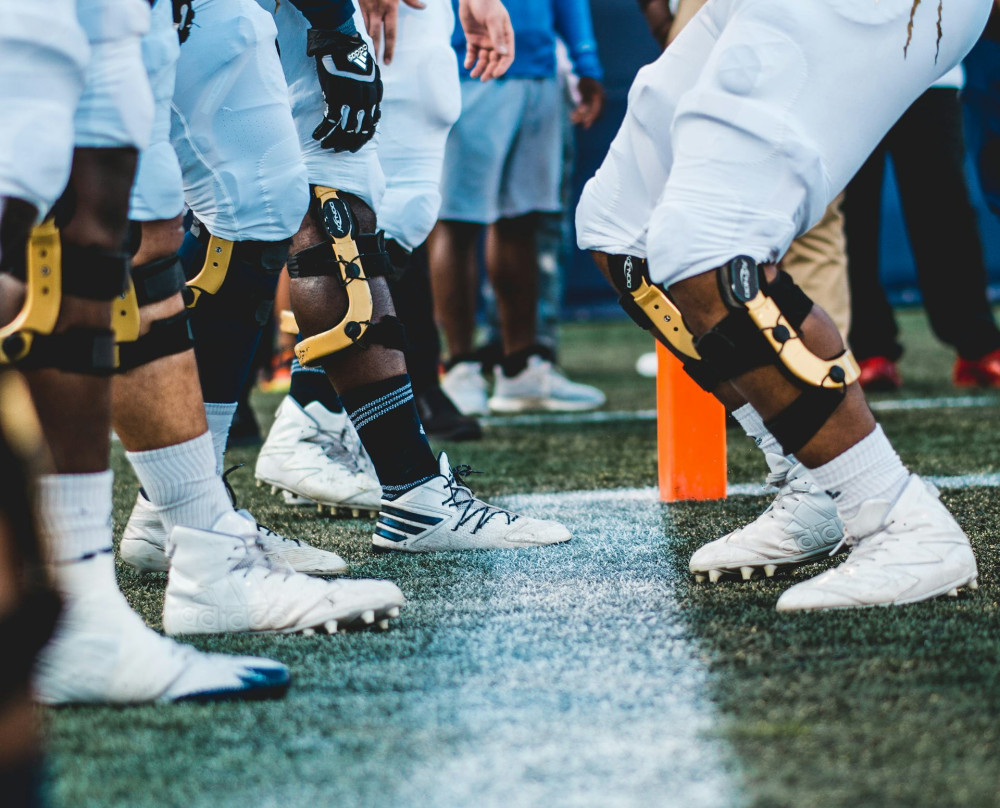
Timing Is Everything: Find the Best Time to Place Your Over/Under Bet on American Football

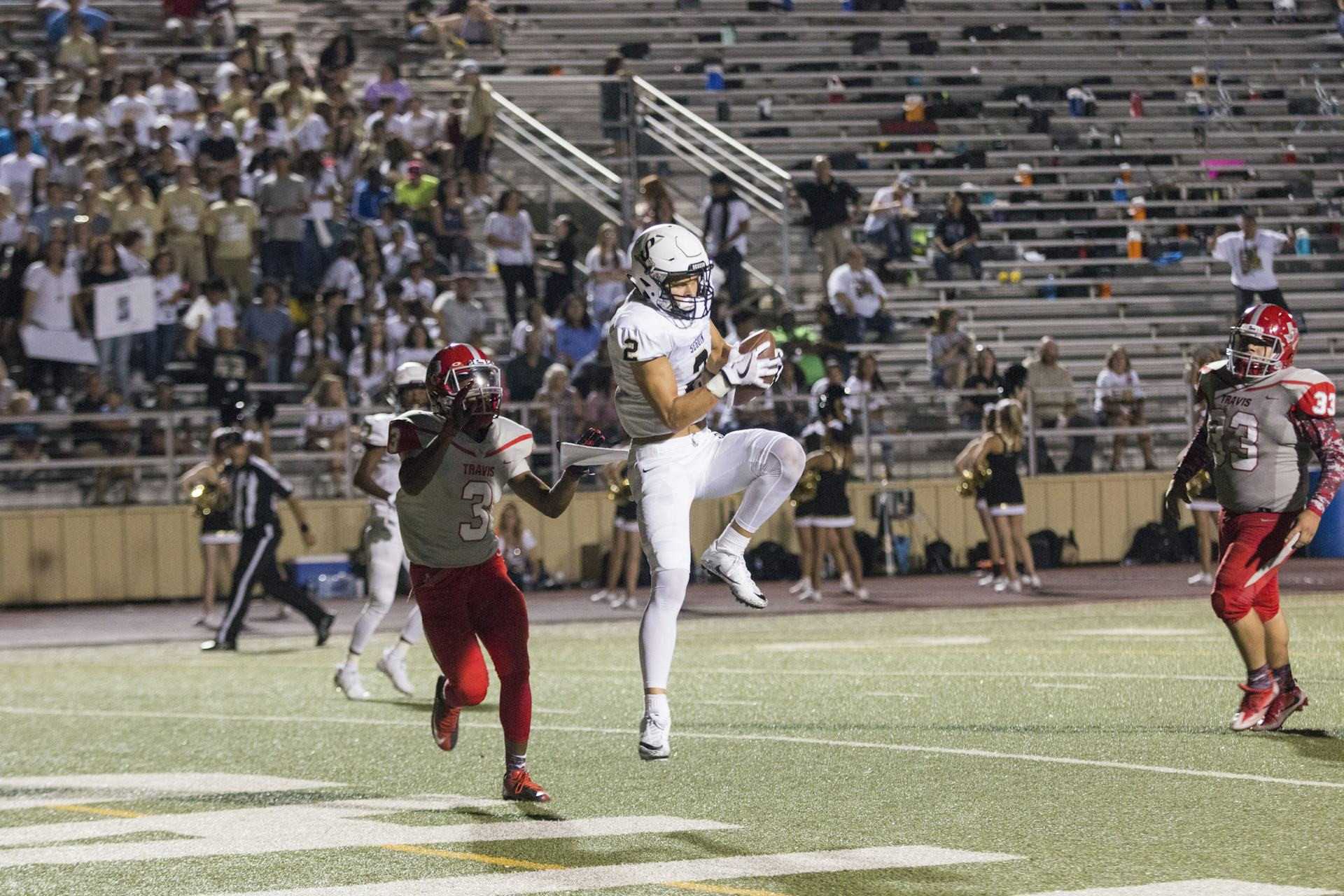
Timing Is Everything: Find the Best Time to Place Your Over/Under Bet on American Football
When it comes to betting on American football, success isn’t just about picking the right team or predicting who wins. For many bettors, over/under wagers—bets on whether the total combined points in a game will go over or under a set number—offer one of the most exciting and strategic ways to engage with the sport. But just like on the field, timing is crucial. When you place your bet can make a big difference in the value you get.
Here’s a guide to help you find the best time to place your over/under bets on American football.
Understanding Line Movement
Oddsmakers set an opening total for each game—say, 47.5 points. That number rarely stays put. As the week goes on, the line moves based on new information about injuries, weather, and how the betting market reacts.
- Early bettors (often professionals) jump on the opening line if they believe the sportsbook has mispriced it.
- Late bettors (often casual players) wait until closer to kickoff, when more information is available.
If you understand how lines move, you can take advantage of those shifts. For example, if the total opens at 47.5 and climbs to 49.5 because the public is betting the over, an early “over” bet would have locked in a better number.
Weather: The Hidden Variable
Football is played outdoors in many cities across the U.S., and weather can have a major impact on scoring. Wind, rain, and snow all influence how offenses perform.
- Wind is the biggest factor. Strong winds make passing and kicking harder, often leading to lower scores.
- Rain and snow can slow the game down, but they don’t always reduce scoring as much as people think.
- Indoor stadiums (domes) remove weather from the equation entirely, so totals there tend to be more stable.
If you expect bad weather, it can pay to wait and bet the “under” once forecasts confirm it. On the other hand, if the weather looks better than expected, early “over” bets can offer value before the market adjusts.
Injuries and Team News
A quarterback injury can change everything. Offensive output usually drops when a backup steps in, and sportsbooks adjust totals accordingly. The same goes for key defensive players, though the effect is often subtler.
Keep an eye on:
- Practice reports throughout the week.
- Official injury updates the day before the game.
- Game-day news, especially for late kickoffs.
If you suspect a star player won’t suit up, betting the “under” early can give you an edge before the market reacts. Conversely, if you expect a key player to return, waiting to bet the “over” while the line is still low can be smart.
Læs også:
Market Psychology
Casual bettors love to bet the “over”—it’s more fun to root for points than for defense. That tendency often pushes totals higher as the week goes on, especially in games featuring popular teams like the Kansas City Chiefs or Dallas Cowboys.
If you’re leaning toward the “under,” it can pay to wait until closer to kickoff, when the line has likely risen. If you like the “over,” you’ll often get the best number early in the week before public money drives it up.
Day of the Week and Time of Season
- Early in the season, there’s more uncertainty about team strength, and lines can be less accurate. If you’ve done your homework, betting early can pay off.
- Later in the season, data is sharper, and sportsbooks adjust faster. Waiting for injury or weather updates may be wiser.
- Primetime games (Monday, Sunday, and Thursday nights) attract more public action, which means more line movement. Timing your bet around that can make a difference.
Building Your Own Timing Strategy
There’s no single “right” time to bet—it depends on your approach and knowledge. But you can develop a strategy by:
- Tracking line movement across multiple sportsbooks.
- Recording when you get the best value—early or late.
- Using stats and weather data to support your decisions.
- Learning from experience—over time, you’ll spot patterns in how the market reacts.
Timing isn’t about luck—it’s about preparation. The better you understand the forces that move the lines, the better your chances of finding value in your over/under bets.
Læs også: