Train Your Decision-Making Under Pressure — Even at the Casino Table

Train Your Decision-Making Under Pressure — Even at the Casino Table
Making quick yet thoughtful decisions under pressure is a skill that reaches far beyond the casino floor. It’s about staying calm, thinking clearly, and acting rationally — even when adrenaline is running high. Whether you’re facing a tough call at work, navigating a tense moment in traffic, or deciding whether to hit or stand at a blackjack table, you can train your decision-making so you respond with confidence and strategy when it matters most.
What Happens When We’re Under Pressure?
When we feel pressure, our body’s stress response kicks in. Heart rate rises, breathing quickens, and the brain shifts from analysis to action. That can be useful in emergencies, but it can also lead to rash decisions.
At the casino, that might mean chasing losses or betting too aggressively after a setback. In everyday life, it might look like overcommitting to projects, reacting emotionally in a meeting, or making impulsive purchases.
Understanding how pressure affects you is the first step toward managing it better.
Recognize Your Patterns
Everyone reacts differently under stress. Some freeze up, while others become overly bold. Knowing your own tendencies helps you adjust before they lead you astray.
Try paying attention to:
- When you typically feel pressured.
- What thoughts and emotions arise.
- How you usually respond — do you hesitate, or do you act too fast?
By observing yourself, you can interrupt automatic reactions and make more deliberate choices instead.
Training Calm and Focus
Good decision-making under pressure isn’t just about logic — it’s about composure. Techniques like deep breathing, mindfulness, and short breaks can make a big difference.
A simple trick: take three slow breaths before making a decision. That brief pause gives your brain time to shift from emotional reaction to rational thinking. Professional poker players often use this kind of mental reset to regain focus before making a move.
Strategic Thinking — In Games and in Life
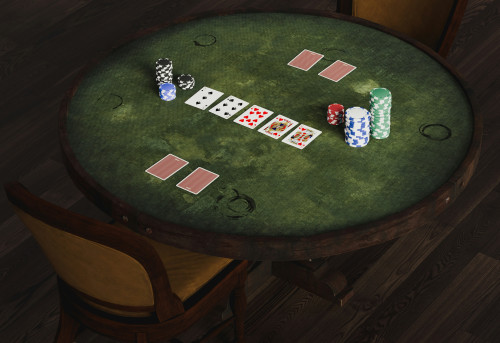
At the casino table, luck plays a role, but strategy, probability, and risk management matter just as much. The best players know when to bet and when to fold.
That same mindset applies to everyday choices. When you’re facing a decision, ask yourself:
- What’s the risk, and what’s the potential reward?
- What alternatives do I have?
- What does my past experience tell me?
Thinking in terms of scenarios and probabilities helps you act thoughtfully — even when the pressure is on.
Læs også:
Practice with Small Decisions
You don’t have to wait for major life choices to train your decision-making. Start small. Make quick but conscious decisions throughout your day — what to eat, how to prioritize your time, or how to respond in a stressful moment.
The more often you practice making calm, reflective choices, the stronger that mental muscle becomes. Over time, you’ll find it easier to stay composed and decisive when the stakes are higher.
When the Game Becomes a Learning Ground
Casino games, in moderation, can be an interesting way to practice decision-making. They challenge you to manage uncertainty, control impulses, and think strategically. The key is to play responsibly — treat the game as a mental exercise, not a shortcut to profit.
Set clear limits for time and money, and step away when emotions start to take over. That way, the experience becomes a lesson in self-control and strategic thinking rather than a source of stress.
From the Casino Table to Everyday Choices
Training your decision-making under pressure ultimately comes down to knowing yourself, staying calm, and thinking clearly — no matter the situation. It’s a skill that can strengthen your finances, your career, and your relationships.
So next time you’re faced with a decision — big or small — remember: take a deep breath, weigh your options, and choose with intention. It’s the same discipline that separates a lucky gamble from a smart move.
Læs også: