Train Your Horse’s Fitness Safely – Prevent Overexertion

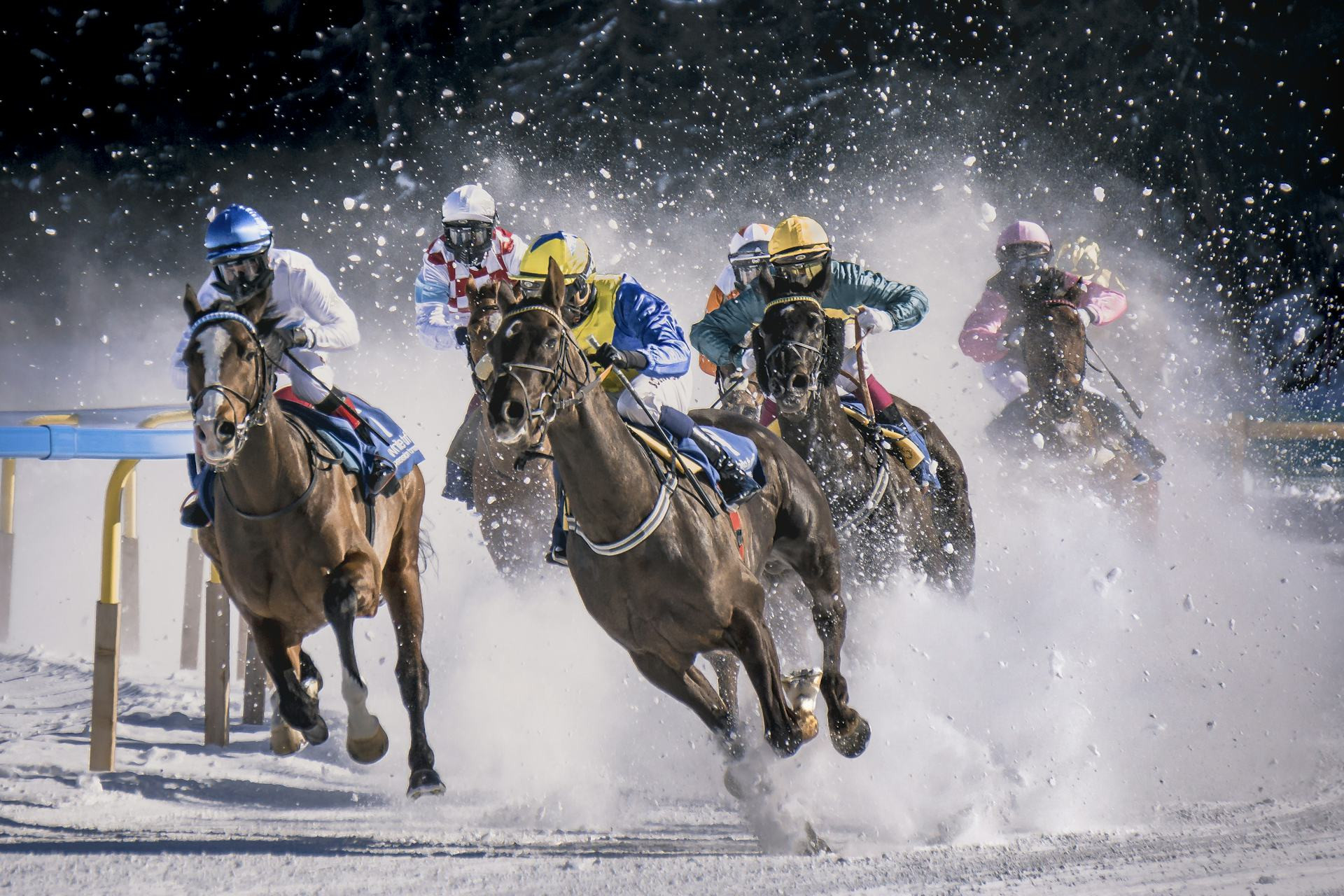
Train Your Horse’s Fitness Safely – Prevent Overexertion
Building your horse’s fitness takes time, planning, and a good understanding of its physical limits. Whether you’re conditioning a young horse, preparing for competition, or simply improving your trail partner’s stamina, the key is to progress gradually and prioritize your horse’s well-being. Overexertion can lead to injuries, loss of motivation, and long recovery periods—all of which can be avoided with the right approach. Here’s how to train your horse’s fitness safely and effectively.
Know Your Starting Point
Before creating a training plan, assess your horse’s current condition. A horse coming back from a break will need a very different program than one already in light work. Observe your horse’s breathing, heart rate, and recovery time after exercise—these are good indicators of fitness level.
A healthy horse in basic condition should be able to walk and trot for 30–40 minutes without becoming overly winded. If your horse sweats heavily or tires quickly, start slowly and increase workload gradually.
Build Fitness Step by Step
Conditioning strengthens both the cardiovascular system and the muscles. The best foundation combines walking, trotting, and cantering on varied terrain.
- Weeks 1–2: Focus on long walking sessions of 30–45 minutes. Walking is gentle but helps strengthen tendons and joints.
- Weeks 3–4: Add short trot intervals of 2–3 minutes at a time, followed by walk breaks.
- Weeks 5–6: Introduce canter intervals on soft footing such as grass or sand, and gradually increase duration.
- After 6 weeks: Mix in hill work, pole exercises, and longer rides to build endurance.
Always tailor the progression to your individual horse. Some adapt quickly, while others need more time to adjust to increased demands.
Variety Prevents Injury
Repetitive training is one of the most common causes of overuse injuries. By varying surfaces, speeds, and exercises, you strengthen your horse’s body more evenly and reduce the risk of strain.
Alternate between arena work, trail rides, and groundwork or lunging sessions. This not only benefits your horse physically but also keeps it mentally engaged. A horse that enjoys its work performs better and stays sound longer.
Listen to Your Horse’s Signals
A crucial part of safe conditioning is recognizing early signs of fatigue or strain. Watch for:
- Stiffness or soreness the day after exercise
- Reluctance to move forward
- Changes in attitude, such as irritability or resistance
- Swelling or heat in the legs
If you notice any of these signs, reduce the intensity and allow a few days of rest. It’s far better to take a short break than to risk an injury that could take months to heal.
Rest and Recovery Matter
Fitness isn’t built only during workouts—it develops just as much during rest. Make sure your horse gets adequate downtime, proper nutrition, and turnout where it can move freely.
A good rule of thumb is to follow a hard training day with a lighter one, such as an easy walk or a day off in the pasture. This gives muscles and tendons time to adapt and strengthen.
Use Heart Rate Monitoring
Many riders now use heart rate monitors to track their horse’s fitness. This can be a valuable tool for understanding how your horse responds to exercise and how quickly it recovers. A fit horse’s heart rate will return to normal faster after work, while a tired or overworked horse will take longer.
Heart rate data can also help you plan interval training and ensure you’re working at the right intensity for your horse’s level.
Safety and Footing
Footing plays a major role in your horse’s health. Training on hard or uneven ground increases the risk of injury. Choose soft, even surfaces such as well-maintained arenas, grass fields, or dirt trails. Avoid repeated cantering on asphalt or frozen ground.
Regularly check your tack as well—a poorly fitting saddle can cause discomfort, tension, and uneven movement.
Læs også:

Patience Pays Off
Building fitness takes time, but the results are worth it when done correctly. A horse allowed to progress at its own pace becomes stronger, more resilient, and happier in its work. That’s the best investment you can make—for your horse’s health and for the partnership you share.
Læs også: