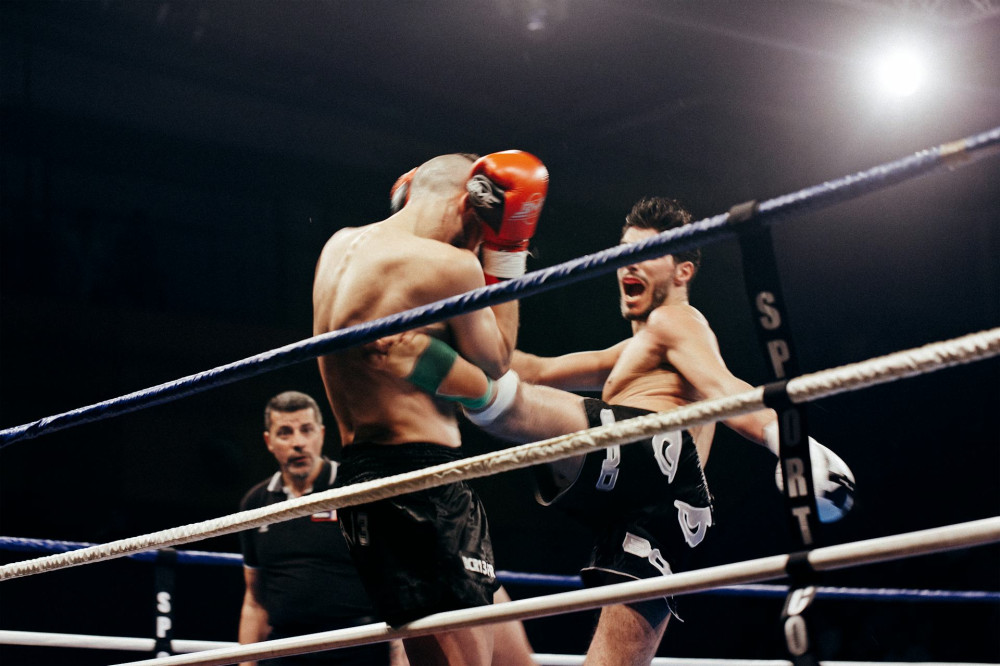
When the Fight Conditions Change: Adjust Your Boxing Strategy with Care

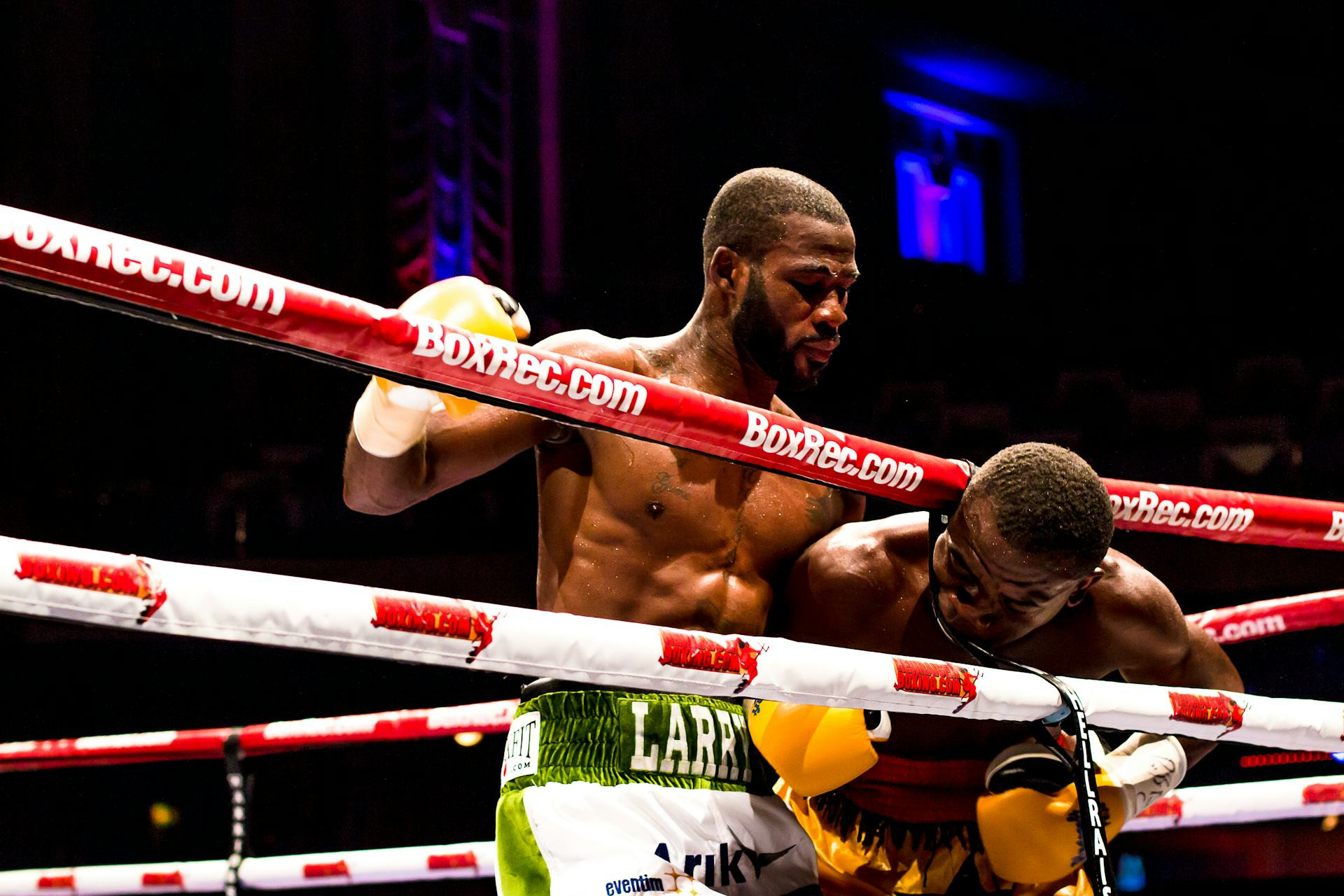
When the Fight Conditions Change: Adjust Your Boxing Strategy with Care
In boxing, no two fights are ever the same. Opponents differ in style, speed, and physicality, and even small changes in the environment—like ring size, referee tendencies, or crowd energy—can influence the outcome. Success in the ring isn’t just about power and technique; it’s about adaptability. Adjusting your strategy with care can be the difference between victory and defeat.
Read the Fight’s Rhythm—and React in Time
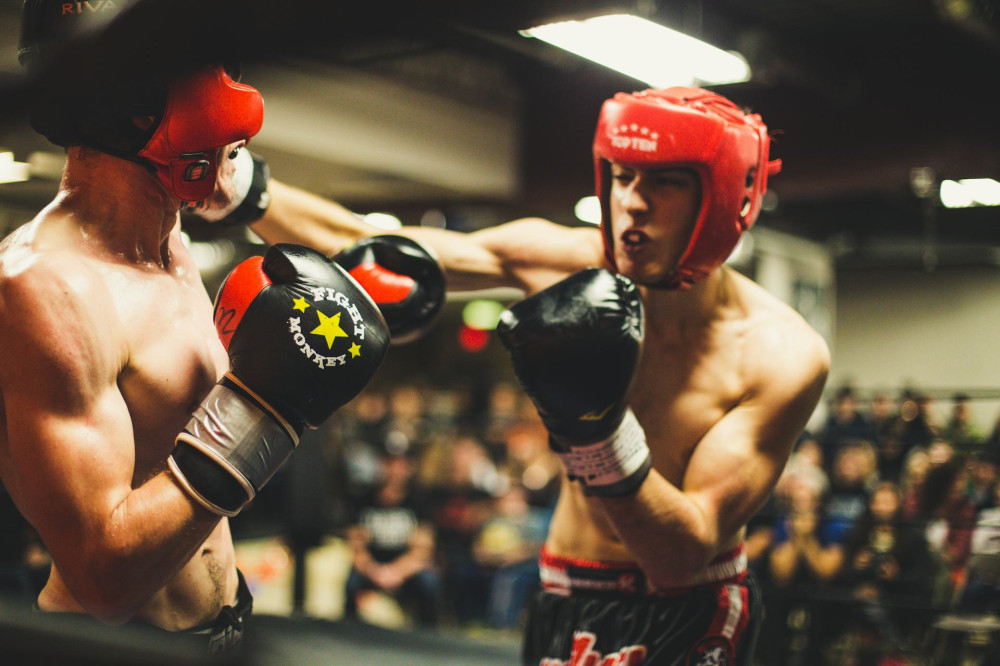
A boxer who can read the rhythm of a fight holds a crucial advantage. It’s about sensing when your opponent is pressing forward and when they’re backing off. Against an aggressive fighter, movement and counterpunching may be your best tools. Against a more cautious opponent, taking the initiative and controlling the pace can shift the momentum in your favor.
Adjusting to the rhythm requires calm and awareness. Many coaches talk about “seeing the fight from the outside”—analyzing while you’re still in the heat of battle. That skill develops through experience and sparring with a variety of opponents.
Adapt Your Tactics to the Environment
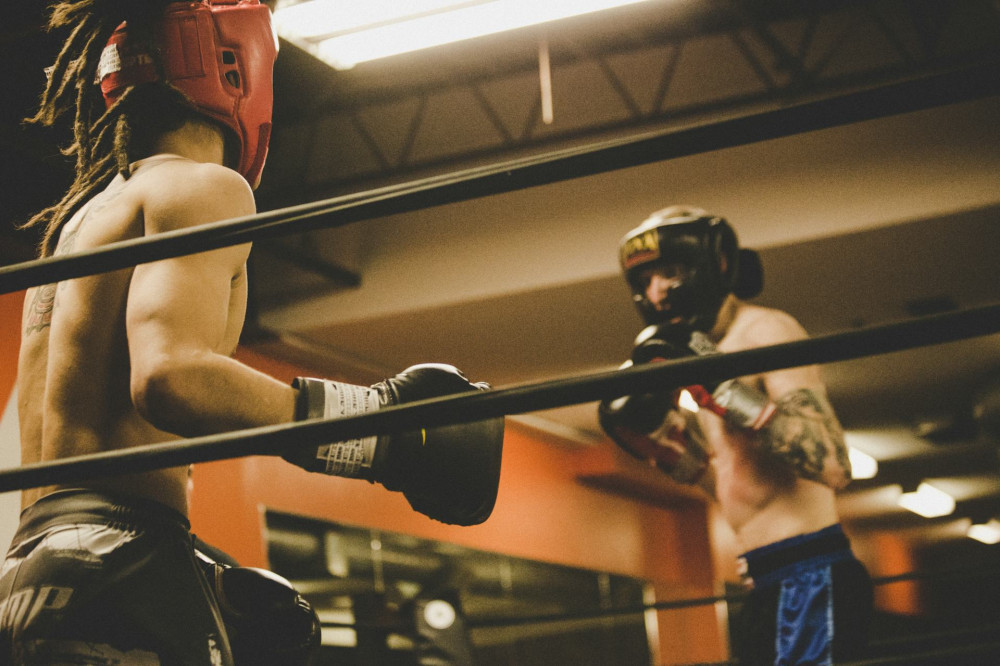
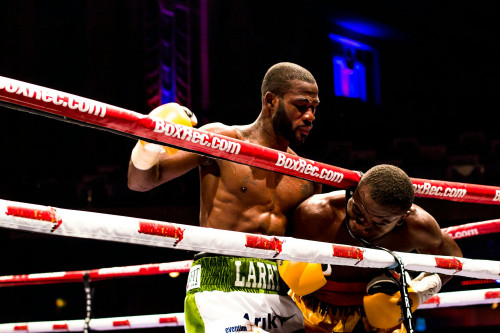
Fight conditions aren’t limited to your opponent. The ring’s size, the canvas texture, and even the temperature inside the venue can affect your performance. A smaller ring favors the pressure fighter who thrives in close quarters, while a larger ring benefits the boxer who relies on movement and distance control.
If you know you’ll be fighting in a compact ring, practice breaking out of pressure and working short, efficient combinations. In a larger ring, focus on footwork, timing, and maintaining range. Even small adjustments in training—like sparring in different ring sizes or simulating fight-night conditions—can make a big difference when the bell rings.
Læs også:

Mental Focus Under Changing Conditions
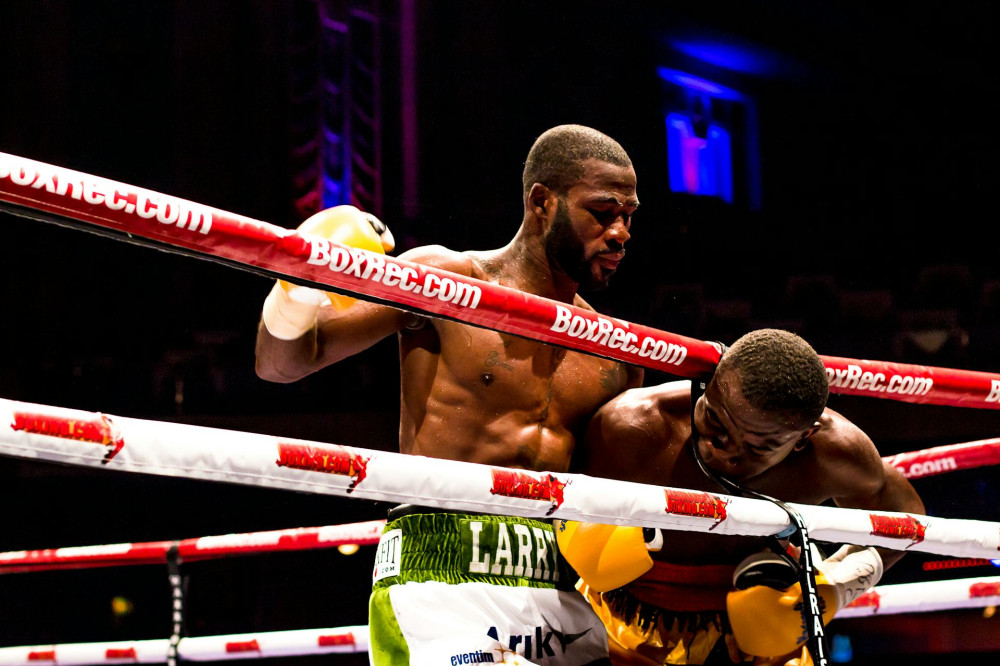
When fight conditions shift, it’s easy to get thrown off mentally. Maybe the crowd is louder than expected, or the referee allows more clinching than usual. In those moments, focus on what you can control: your breathing, your plan, and your reactions.
Visualization can be a powerful tool. Picture different scenarios—a relentless opponent, a sudden cut, or a referee’s early stoppage. The more situations you’ve mentally rehearsed, the less likely you are to be rattled when they happen for real.
Communication with Your Corner—Your Tactical Lifeline
Your corner team can be your lifeline when a fight starts slipping away. Their outside perspective can spot patterns you might miss in the adrenaline of the moment. That’s why clear communication is essential: short, precise instructions and a shared understanding of tactical cues.
If you sense the fight’s dynamics changing, listen to your corner and be willing to adapt. Sometimes a small adjustment—like shifting your head slightly after a jab—can be enough to turn the tide.
Learn from Every Fight—Even the Tough Ones
After the fight, take time to reflect. What worked? What didn’t? How did you respond when conditions changed? By analyzing both wins and losses, you can build a flexible strategy that holds up under pressure.
Many professional fighters keep a training or fight journal, noting observations about opponents, tactics, and mental responses. It’s a simple but effective way to grow—and to ensure you’re better prepared the next time circumstances shift.
Thoughtful Adjustment Is the Key to Growth
Adjusting your strategy doesn’t mean abandoning your plan—it means refining it. The best boxer isn’t always the strongest, but the one who thinks fastest and acts with purpose. When unexpected conditions arise, treat them as an opportunity to show your adaptability—and your understanding of the art of boxing.
Læs også: