Data Visualization: Making Motorsports Data Easier to Understand


Data Visualization: Making Motorsports Data Easier to Understand
Motorsports is a world of speed, precision, and split-second decisions — but also one of massive amounts of data. Every lap, pit stop, and tire change generates numbers that can be overwhelming for both fans and analysts. That’s why data visualization is becoming an essential tool for making motorsports data accessible and engaging — whether you follow Formula 1, IndyCar, NASCAR, or MotoGP.
From Raw Data to Insight
Modern racing teams collect thousands of data points in real time. Sensors track everything from tire temperature and fuel consumption to aerodynamic load and driver reaction times. Without visualization, these numbers are just noise.
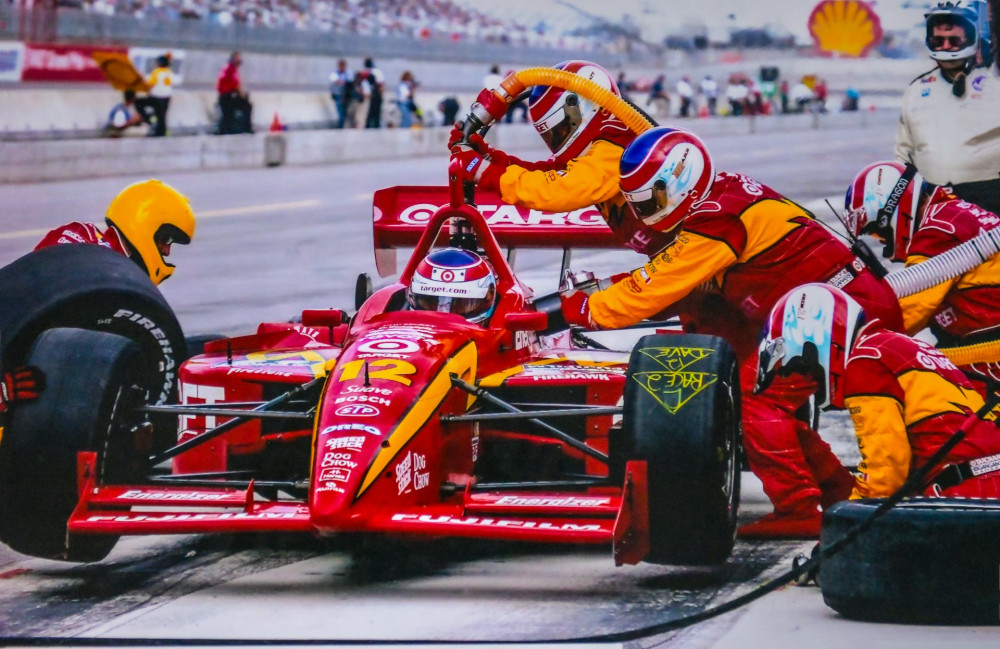
Visualization turns that noise into insight. By transforming complex datasets into charts, maps, and interactive dashboards, patterns and trends become visible at a glance. A simple lap-time graph, for example, can reveal how a driver’s tires are degrading over time or how a pit stop changes the race’s momentum.
Bringing Fans Closer to the Action
For fans, visualization isn’t just about numbers — it’s about understanding the story unfolding on the track. Many broadcasts and official apps now include live telemetry, position maps, and driver comparisons. These tools help viewers grasp why an overtake succeeds or how a strategy evolves during the race.
Interactive maps showing car positions in real time are a great example. They let fans follow how one driver closes the gap corner by corner, adding a new layer of excitement. It’s almost like watching the race through the eyes of a race engineer.
Tools for Analysis and Prediction
For those who enjoy motorsports from an analytical perspective — including bettors and data enthusiasts — visualization is indispensable. By combining historical results, weather data, and track characteristics, analysts can build models that predict likely outcomes.
An interactive dashboard might show how a particular driver performs on short ovals versus road courses, or how a team’s results vary under different weather conditions. Visualization helps uncover relationships that would otherwise be buried in spreadsheets.
How to Create Effective Visualizations
Good data visualization isn’t just about making pretty charts — it’s about telling a story. Here are a few principles that apply especially well in motorsports analysis:
- Clarity over complexity – Choose visualizations that highlight the key message rather than showing everything at once.
- Context matters – A lap-time chart only makes sense when you know when pit stops occurred.
- Meaningful color – Use color to emphasize differences, not decoration. For instance, red and green can highlight time lost or gained.
- Interactivity – Let users explore the data themselves by selecting drivers, tracks, or time periods.
When done right, visualization turns data into stories of performance, strategy, and precision.
Læs også:



The Future of Motorsports Data
The field is evolving fast. With artificial intelligence and machine learning, it’s becoming possible to create visualizations that predict events in real time. Imagine a system that shows the probability of an overtake in the next corner based on speed, tire wear, and track position.
At the same time, visualizations are becoming more accessible to fans. Social media and official apps now allow users to dive into post-race data and share their own analyses. This makes motorsports more open, interactive, and engaging than ever before.
From Numbers to Narrative
When visualized effectively, data transforms from raw numbers into compelling stories. It reveals how thousandths of a second can decide a race and how strategy and skill intertwine. In the end, data visualization in motorsports is about bringing us closer to what makes the sport so captivating — the battle between human instinct, machine performance, and the relentless pursuit of perfection.
Læs også: