Mistakes and Adversity: How Drivers’ Reactions Reveal Their Mental Strength

Mistakes and Adversity: How Drivers’ Reactions Reveal Their Mental Strength
In motorsports, success isn’t just about speed, precision, and engineering—it’s equally about mental strength. When a driver makes a mistake, loses a position, or faces a mechanical failure, their reaction in that moment often reveals more about their mindset than an entire season of flawless racing. How they respond to adversity can define their career as much as their victories.
Mistakes as a Mirror of Mentality
Mistakes are inevitable in racing. A late brake, a poor start, or a miscommunication with the pit crew can cost valuable seconds—or even a race. But it’s not the mistake itself that defines a driver; it’s how they handle it.
The mentally strongest drivers are those who can analyze an error calmly and turn it into a lesson. They understand that one mistake doesn’t ruin a championship, but a poor reaction might. Instead of dwelling on frustration, they refocus on the next corner, the next lap, the next opportunity.
When Pressure Peaks and Nerves Are Tested
Racing is a constant pressure cooker. Hundredths of a second separate triumph from disaster, and millions of fans are watching. Under such conditions, mental balance becomes crucial.
Some drivers thrive under pressure, performing their best when the stakes are highest. Others crumble, making uncharacteristic errors. The difference often lies in emotional regulation—the ability to stay composed even when adrenaline surges and expectations mount.
Sports psychologists call this resilience: the capacity to recover quickly from setbacks. In motorsports, resilience can mean the difference between fighting back into the points or giving up after a rough start.
The Team’s Role in Mental Recovery
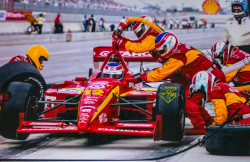
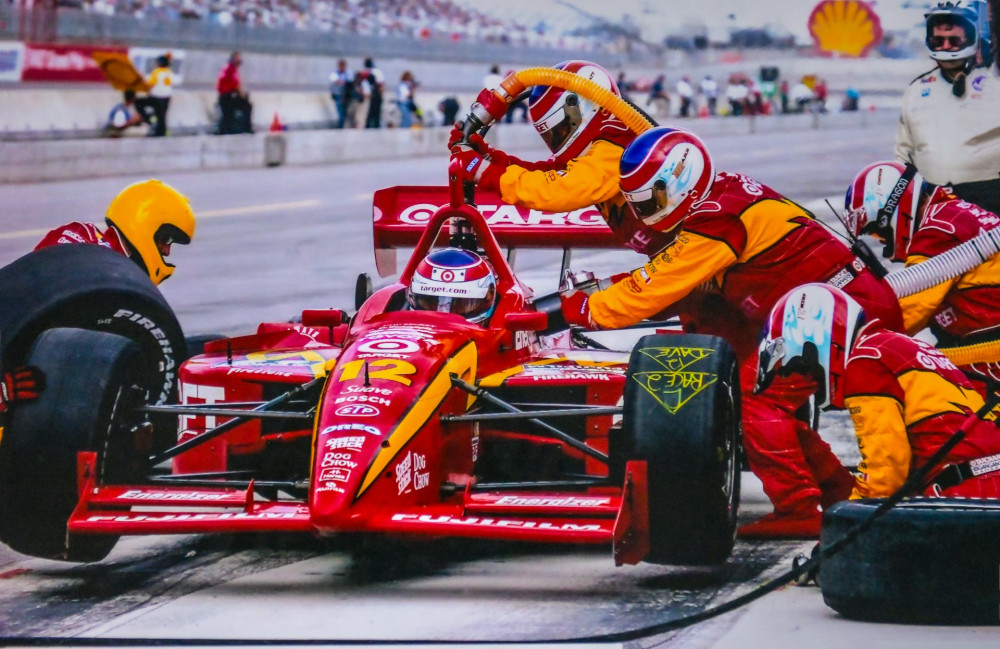
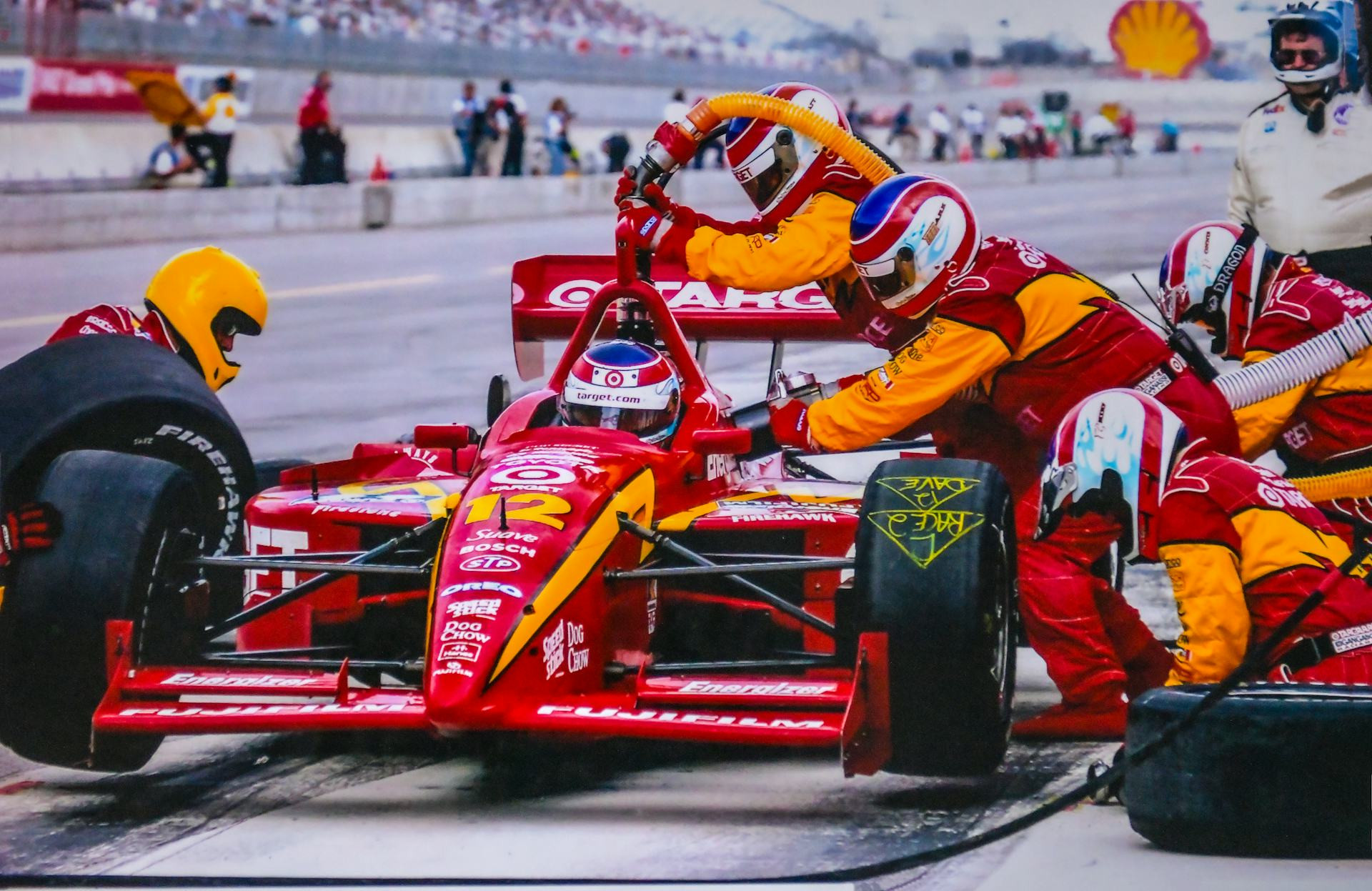
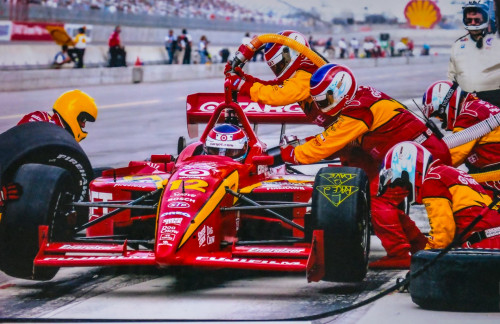
Even though the driver is alone in the cockpit, racing is a team sport. The crew’s reaction to mistakes or misfortune can heavily influence how the driver copes. A calm, supportive team can help restore focus, while panic or criticism over the radio can amplify stress.
Top teams in NASCAR, IndyCar, and Formula 1 understand this dynamic. They invest in communication training and mental coaching, ensuring that drivers feel supported even in tough moments. A driver who feels secure and backed by their team can transform frustration into motivation far more effectively.
From Anger to Focus – The Art of Resetting
When something goes wrong on track, emotional reactions are natural. But in racing, there’s rarely time to dwell on them. A driver who lets anger take over risks losing concentration and making more mistakes.
Mentally strong drivers develop techniques to reset quickly—through breathing exercises, mental cues, or focusing on immediate tasks. They know that the key is to get back into rhythm fast. A classic example is when a driver crashes during qualifying but returns the next day to deliver a flawless race. That turnaround requires not just skill, but the ability to let go of the past and focus entirely on the present.
Læs også:
Growth Through Adversity
Every great champion has faced tough seasons—mechanical failures, crashes, or long stretches without wins. These periods often become turning points. Adversity forces drivers to refine their mental approach, to build patience, and to strengthen their confidence.
Mistakes and setbacks, then, aren’t just obstacles—they’re building blocks of mental development. Drivers who learn to see adversity as part of the process gain a steadiness that makes them formidable competitors, not only on good days but especially when everything seems to go wrong.
Mental Strength as a Competitive Edge
In a sport where margins are razor-thin, mental strength can be the ultimate differentiator. A driver who stays calm when others lose control gains an edge—not just in a single race, but across an entire career.
That’s why more teams today are integrating mental training into their programs. It’s not about suppressing emotion, but mastering it. Because in motorsports, it’s not only the car that needs to be balanced—the person behind the wheel must be, too.
Læs også: