Season Planning and Surface Changes – Coaches Think Tactically

Season Planning and Surface Changes – Coaches Think Tactically
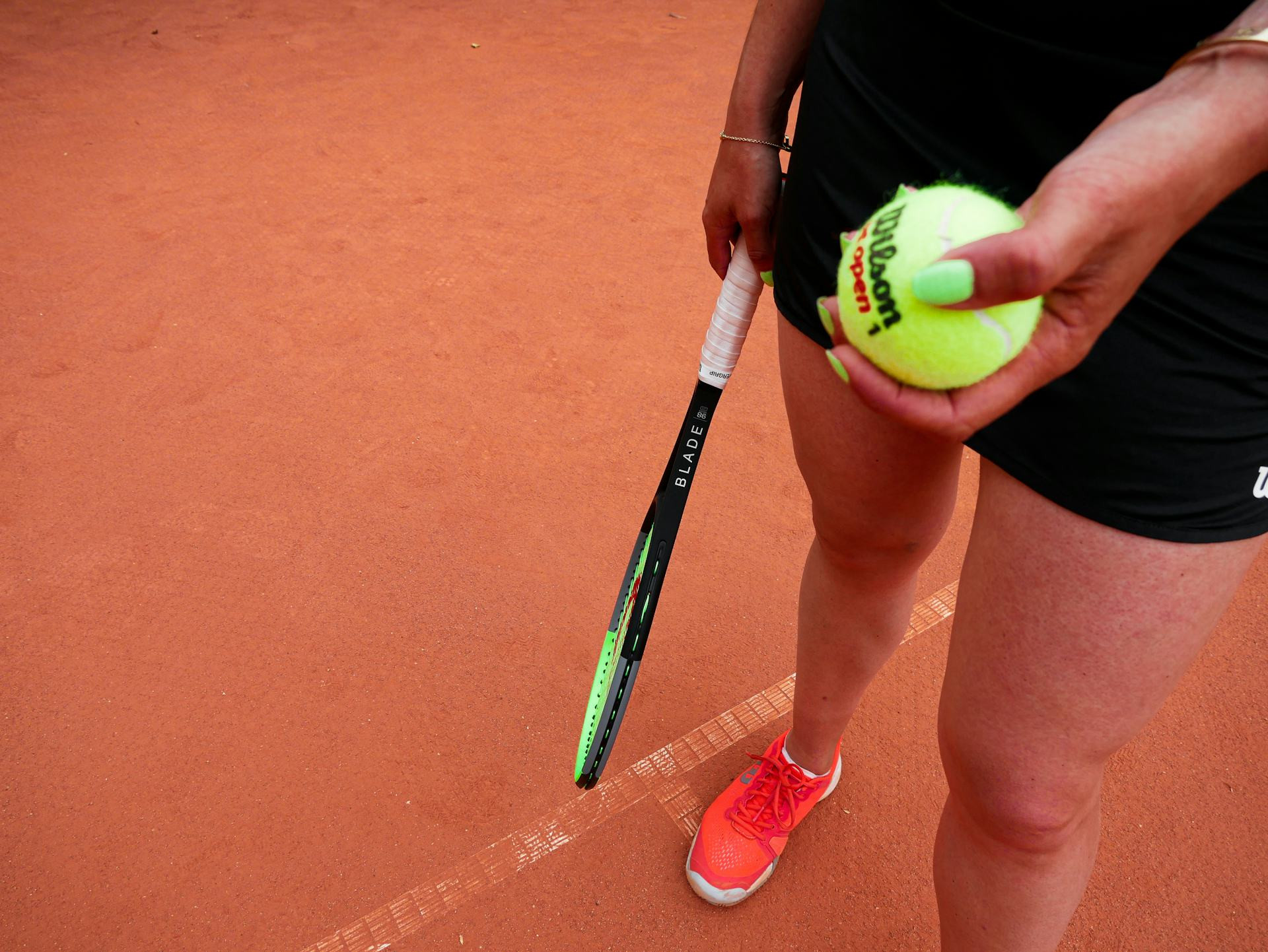
As the tennis season moves from hard courts to clay and then to grass, the game transforms dramatically. The bounce, speed, and movement patterns all shift — demanding adjustments not only from players but also from their coaches. Behind every successful season lies a carefully crafted plan, where physical conditioning, tournament selection, and technical details are fine-tuned to ensure peak performance at the right time.
From Hard to Soft – Why the Surface Matters
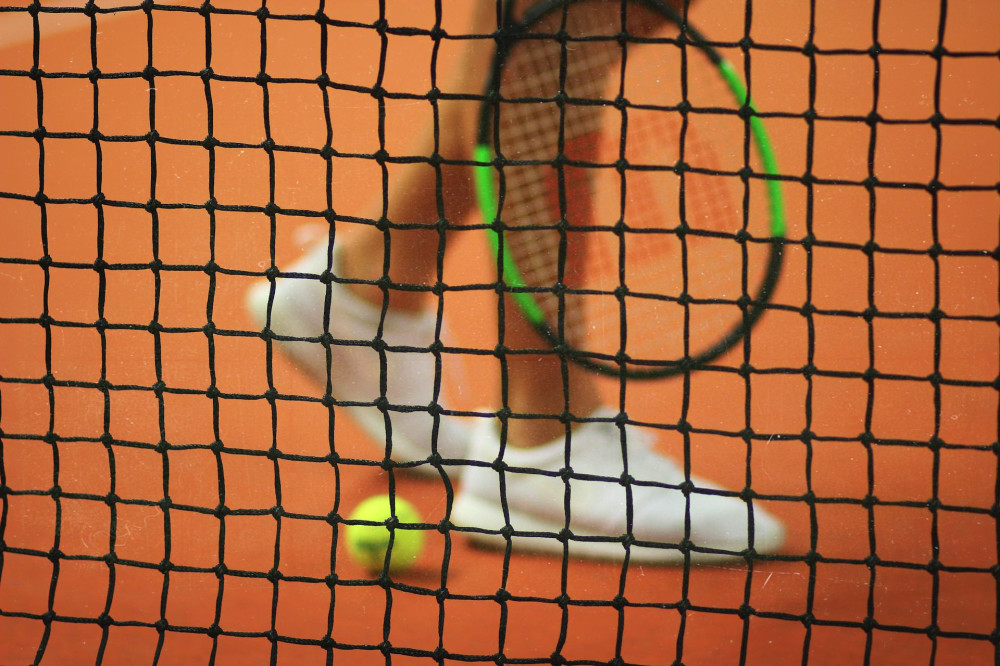
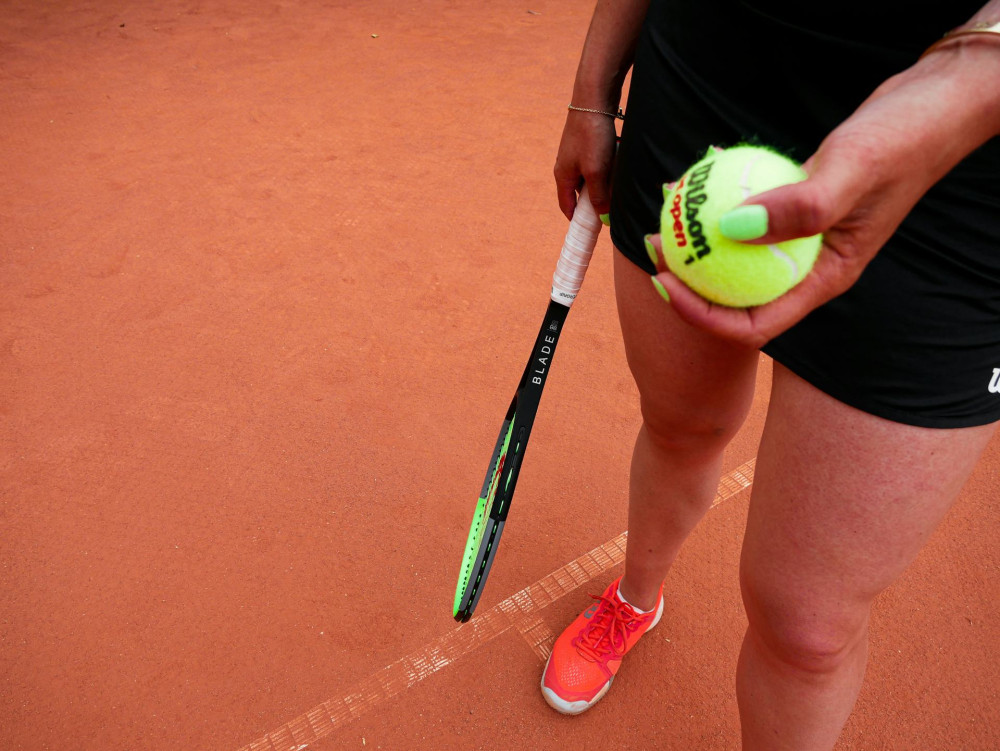
Most professional players begin the year on hard courts in places like Australia and North America, where the game is fast and the serve often dominates. As spring approaches, attention turns to clay — a surface that rewards patience, endurance, and the ability to construct points over long rallies.
For coaches, this means a complete shift in training focus. Players must adapt to longer exchanges, sliding into shots, and adjusting their timing. Many teams plan a gradual transition, spending a few weeks on slower hard courts or hybrid surfaces to simulate clay conditions before the European swing begins.
Læs også:


Periodization – The Art of Peaking at the Right Time
A modern tennis season stretches nearly year-round, making it impossible to maintain top form continuously. Coaches rely on periodization — a structured approach that cycles training intensity and competition to build toward key events.
The goal is to peak for the major tournaments, such as the Grand Slams and Masters 1000s, while using smaller events to test tactical changes or allow for recovery. Sometimes, skipping a tournament to focus on training for a new surface can be a strategic move. It may seem risky in the short term, but it often pays off when the player hits their stride during the most important matches.
Technical and Tactical Adjustments
Surface changes aren’t just physical — they’re deeply tactical. On clay, heavy topspin and patience are rewarded, while grass demands quick reactions, precise serving, and aggressive net play.
Coaches analyze how a player’s natural strengths align with upcoming tournaments. A big server with flat groundstrokes might need extra work on movement and shot variation for clay, while a defensive baseliner must learn to take initiative on faster surfaces.
Video analysis and performance data have become essential tools. By studying ball speed, placement, and movement patterns, coaches can identify small technical tweaks that lead to significant improvements.
Mental Preparation – The Hidden Challenge
Switching surfaces can also test a player’s confidence. Those who thrive on one surface may struggle when results dip on another. Here, the coach’s role extends beyond tactics.
Many teams collaborate with sports psychologists to help players stay patient and focused during transitions. The key is accepting that adaptation takes time — and that early losses on a new surface can be part of the long-term process toward success.
The Future of Planning – Data and Personalization
Season planning today is more individualized than ever. Some players choose to specialize on certain surfaces, while others aim for all-around versatility. With advanced data on workload, recovery, and performance, coaches can design personalized programs that reduce injury risk and maximize development.
The collaboration between coaches, fitness trainers, physiotherapists, and data analysts is closer than ever. A modern tennis player is not just an athlete but the centerpiece of a small, highly coordinated team that thinks strategically all year long.
A Sport in Constant Motion
Season planning and surface transitions are among the most complex aspects of professional tennis. They require foresight, experience, and the ability to think months ahead. For coaches, success isn’t just about winning the next match — it’s about building a season-long journey that ensures the player peaks when it matters most.
In a sport where margins are razor-thin, the right plan can make the difference between a good season — and a career-defining one.
Læs også: