Seeding and Ranking: How to Evaluate Tournament Potential


Seeding and Ranking: How to Evaluate Tournament Potential
When a new tennis tournament is about to begin, it’s not just the players who prepare. For fans, analysts, and bettors alike, understanding how seeding and ranking influence match outcomes and tournament dynamics is key. A player’s world ranking tells part of the story—but not the whole picture. Here’s a guide to evaluating tournament potential through seeding, form, and context.
What Does Seeding Really Mean?
Seeding is the tournament organizers’ way of ensuring that the top players don’t face each other too early. The highest-ranked players receive seeds that strategically place them in the draw so that, in theory, they only meet in the later rounds.
For example, the No. 1 seed is typically placed on the opposite side of the draw from the No. 2 seed, meaning they can only meet in the final. But seeding is not a guarantee of success—it’s more of a framework for expectations.
Ranking: A Snapshot of Performance
The ATP and WTA rankings are based on points earned over the past 52 weeks. Players accumulate points depending on how far they advance in tournaments and how prestigious those tournaments are. A Grand Slam title, for instance, yields far more points than a smaller ATP 250 or WTA 250 event.
However, rankings don’t always reflect current form. A player might still be riding on points from past victories while struggling with injuries or inconsistency. Conversely, a lower-ranked player could be in peak condition and ready to upset higher seeds.
When assessing tournament potential, it’s crucial to look beyond the numbers—consider both ranking and recent performance.
Læs også:



Form, Surface, and Momentum
A player’s current form often matters more than their seeding. Look at their recent matches: Have they beaten strong opponents? Are they winning comfortably or scraping by in tight sets? And how do they perform on the surface in question?
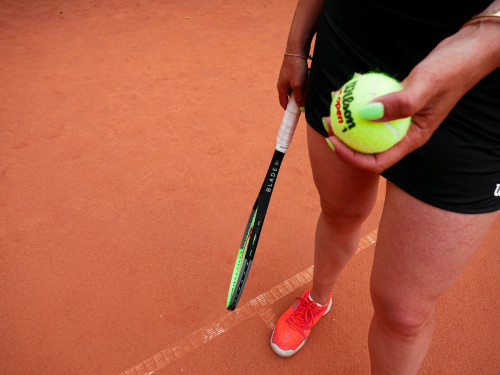
Surface type is a major factor. Some players thrive on clay, where rallies are long and the ball bounces high, while others excel on fast hard courts or grass. A top seed on clay might struggle to dominate on grass, where the game is faster and points are shorter.
Momentum also plays a role. A player coming off a recent title may carry confidence into the next event—but fatigue can be a hidden risk. The key is finding the balance between form and freshness.
The Draw: The Hidden Variable
Even the best seeding can be undermined by an unlucky draw. If a top seed faces a dangerous unseeded opponent in the first round—a “dark horse” with a tricky playing style—the tournament can take an unexpected turn.
That’s why analyzing the draw is essential once it’s released. Look at potential early-round matchups and where the strongest challengers are positioned. A player with a favorable path may have a better chance of going deep, even without a top seed next to their name.
Psychology and Experience
Experience counts for a lot in tournament play. Players who have been in finals before often handle pressure better than newcomers. At the same time, younger players can bring energy and fearlessness that unsettle veterans.
Mental toughness shows up in tight moments—tie-breaks, deciding sets, and pressure points. Some players are known for being “clutch,” raising their level when it matters most. That quality doesn’t show up in ranking points, but it often determines who lifts the trophy.
How to Evaluate Tournament Potential
When trying to predict who might succeed in a tournament, consider a combination of factors:
- Seeding and ranking – provide a baseline for expectations.
- Current form – review the last 5–10 matches for trends.
- Surface performance – check the player’s record on the tournament surface.
- Draw difficulty – assess how tough the path to the final looks.
- Mental strength and experience – crucial in high-pressure moments.
By combining these elements, you’ll gain a more complete picture of a player’s tournament potential—and a better sense of where surprises might occur.
When Numbers Don’t Tell the Whole Story
Seeding and ranking are useful indicators, but tennis remains one of the most unpredictable sports. Weather, confidence, and even small mental lapses can change everything. That unpredictability is what makes the game so compelling—and why evaluating tournament potential always requires a mix of data, insight, and intuition.
Læs også: