Adjust Your Picks Based on Team Strategy – How to Win More in Cycling Betting

Adjust Your Picks Based on Team Strategy – How to Win More in Cycling Betting
When you bet on cycling, it’s not just about knowing who’s in form or who won last week’s race. Team strategy plays a huge role in how a race unfolds—and ultimately, who crosses the line first. In modern cycling, tactics can be just as decisive as raw power. If you understand how teams think and act, you can adjust your picks and improve your chances of winning.
Understand Team Roles and Hierarchy
A professional cycling team operates like a small, well-organized unit. There are team leaders, domestiques (support riders), sprinters, climbers, and time trial specialists. Each rider has a specific job, and the team’s overall strategy depends on who they’re protecting and what stages they’re targeting.
When analyzing a race, ask yourself:
- Who is the designated team leader?
- Which riders are there to support him—and how?
- Is the team built around general classification, sprint finishes, or breakaways?
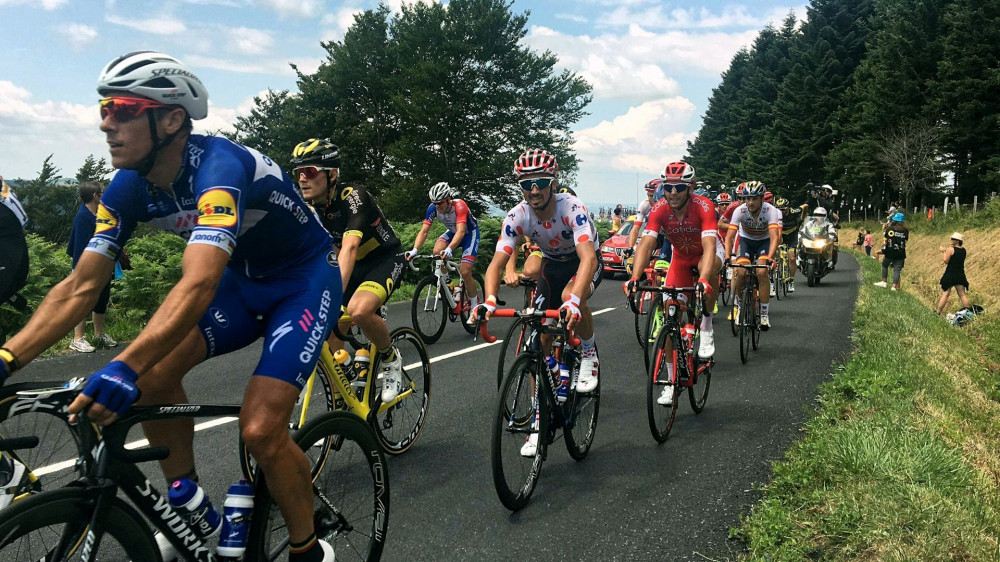
A team chasing the overall classification in a stage race will usually ride conservatively to protect its leader, while a team without GC ambitions might send riders into breakaways to hunt for stage wins. That difference affects who gets the freedom to attack—and who gets reeled back in.
Read the Race Profile and Terrain
The race profile tells you a lot about which teams will shape the action. Flat stages favor sprinter teams, while mountain stages give climbers and GC riders the upper hand. But it’s not always that simple—wind, weather, and race timing can change everything.
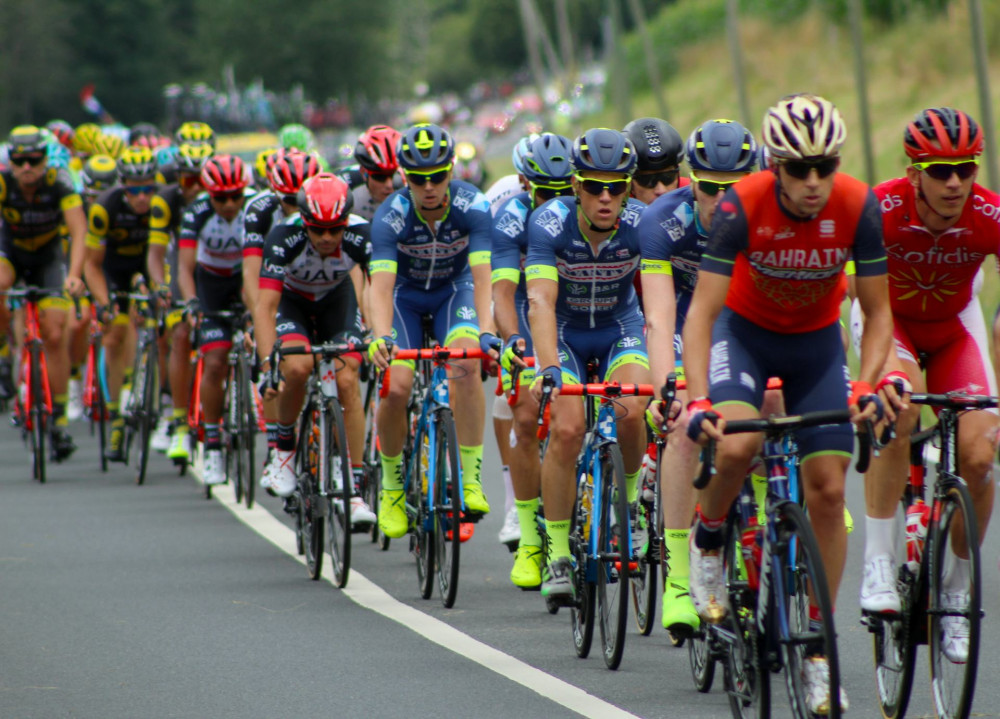
A team with strong time trialists might try to split the peloton in crosswinds, while a team full of climbers will wait for the mountains. If you can anticipate how a team will try to control the race, you can better predict which riders will get a real shot at victory.
Track Team Form and Motivation
Motivation matters a lot in cycling. A team that’s already won a few stages might ease off, while one still searching for a result will throw everything into the next opportunity. The same goes for riders fighting for a new contract or trying to prove their worth.
Pay attention to pre-stage interviews and team statements. Sports directors often drop subtle hints about who has a free role and who’s working for others. These small details can give you an edge—especially before the odds adjust.
Læs også:



Use Data—but Understand the Context
Power numbers, past results, and time splits are useful, but they don’t tell the whole story. A rider might be in top form, but if the team decides he’s there to support the leader, he’ll never get the chance to go for the win.
That’s why you should always combine data with tactical insight. Look at how the team has raced earlier in the event and how they typically respond in certain situations. Big-budget teams like UAE Team Emirates or INEOS Grenadiers often stick to a clear plan, while smaller teams have to improvise—and that unpredictability can create betting opportunities.
Learn to Spot Tactical Patterns
Over time, teams develop recognizable patterns. Some focus on early breakaways, others on controlling the peloton. If you can identify these tendencies, you can anticipate how a race is likely to unfold.
For example:
- Sprinter teams will keep breakaways on a short leash and aim for a bunch sprint.
- Climbing teams will let non-threatening breakaways go to save energy for the mountains.
- Wildcard teams often attack early to get TV time and please sponsors.
When you recognize these patterns, you can adjust your bets—perhaps backing breakaway specialists on stages where the big teams have no reason to chase.
Think Like a Sports Director
The best way to understand a race is to put yourself in the team car. What would you do if you were calling the shots? Would you tell your rider to attack or wait for a later stage? Would you go all-in for a stage win or protect your GC position?
When you start thinking like a sports director, your betting decisions become more nuanced. You’re not just looking at odds—you’re reading the race dynamics. That’s where the real value lies.
Keep Adjusting—and Learn from Every Race
Cycling is unpredictable, and no strategy works every time. But if you regularly review your bets and analyze how team tactics influenced the outcome, you’ll get better at spotting patterns next time.
Take notes after each race: Which teams controlled the pace? Who surprised? Which riders got freedom to attack? Over time, your understanding of team strategy will sharpen—and your picks will become more accurate.
Læs også: