One-Day Races vs. Stage Races – Where’s the Betting Value?

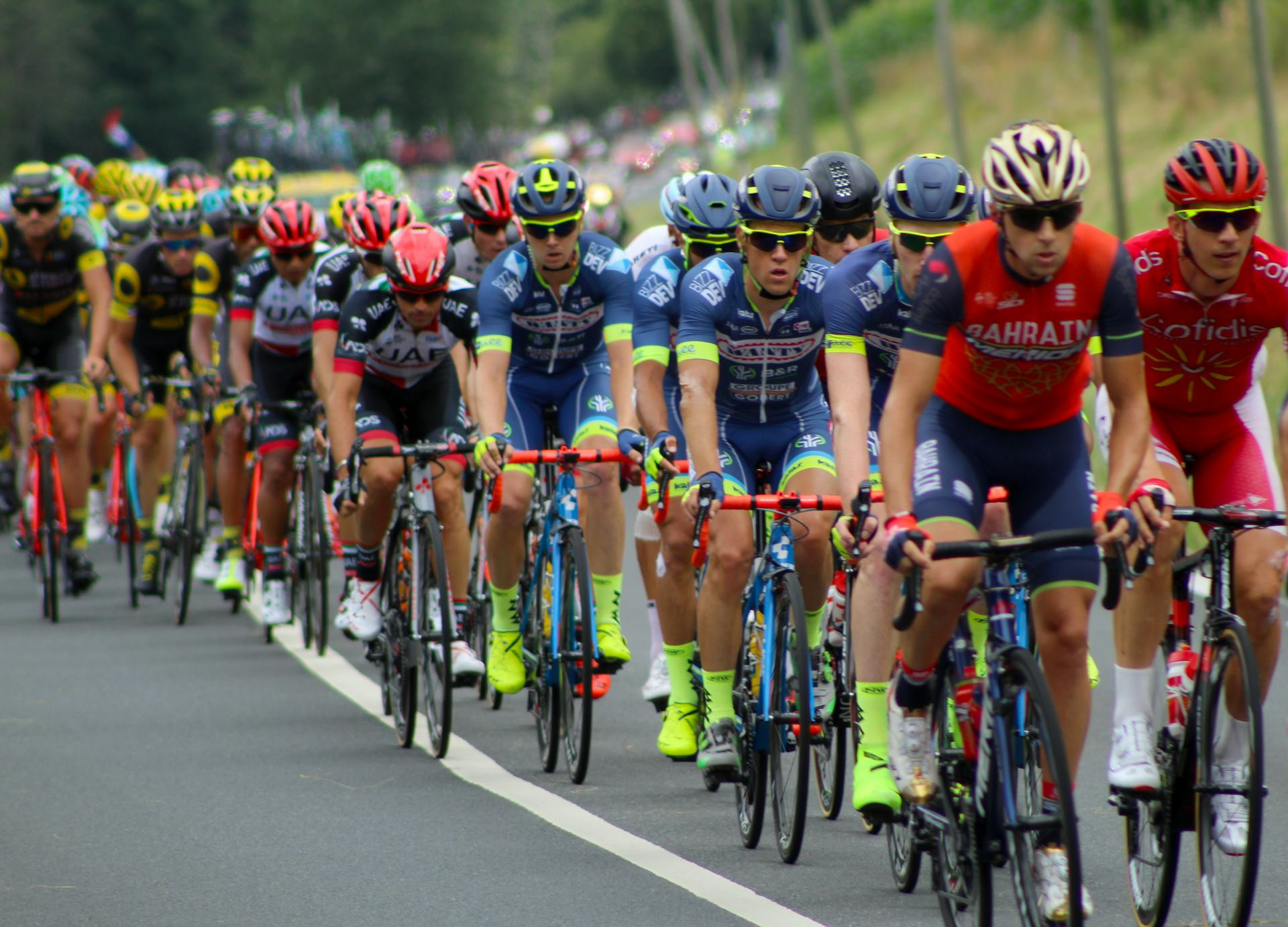
One-Day Races vs. Stage Races – Where’s the Betting Value?
Professional cycling offers two very different worlds: the explosive, unpredictable one-day classics and the long, strategic stage races that test endurance and consistency. For bettors, the distinction isn’t just about the racing style—it’s about where the real value lies. While one-day races reward sharp timing and risk-taking, stage races demand patience, data analysis, and an eye for long-term trends. Let’s break down where the smart money might be found.
One-Day Races – Chaos, Form, and Opportunity
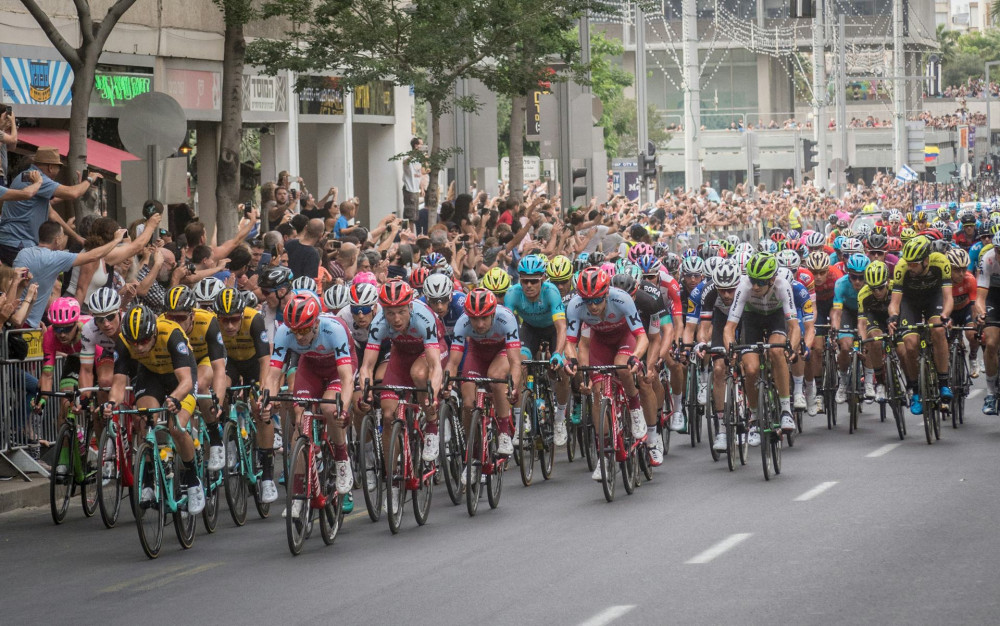
Races like Milan–San Remo, Paris–Roubaix, and the Tour of Flanders are legendary for their intensity and unpredictability. A single crash, puncture, or tactical misstep can change everything. That volatility makes them harder to predict—but also rich with potential value for bettors who can read between the lines.
In one-day races, form and motivation are everything. Riders often target specific classics, peaking their fitness for that one day. Weather can also play a huge role: rain and wind can favor tough, resilient riders, while dry conditions may open the door for faster, more tactical racers.
The key for bettors is to identify underrated riders—those who may not have a big win on their résumé but have shown strong performances in smaller races or under similar conditions. Because the market tends to focus on big names, outsiders can often deliver outsized returns when the stars align.
Stage Races – Consistency and Strategy
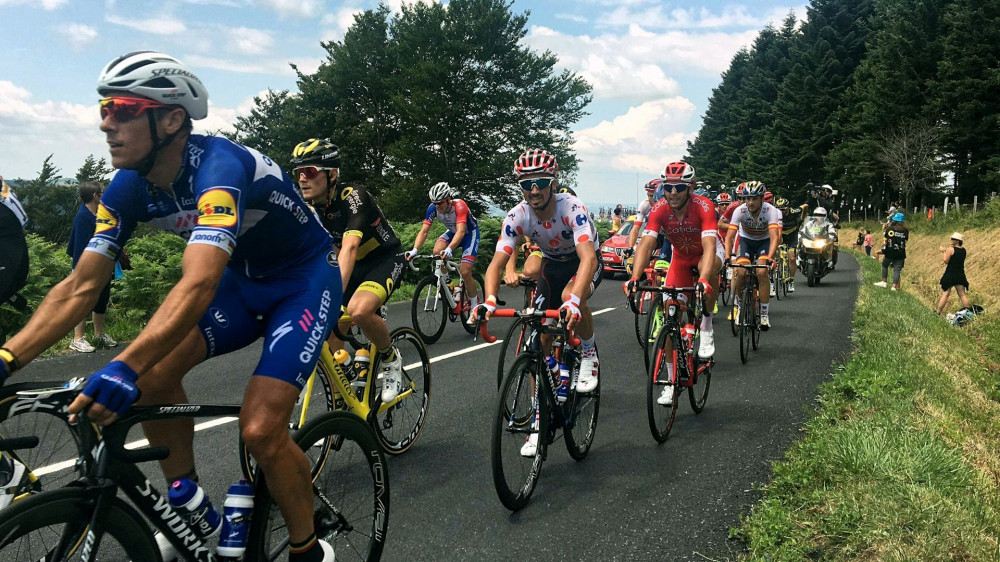
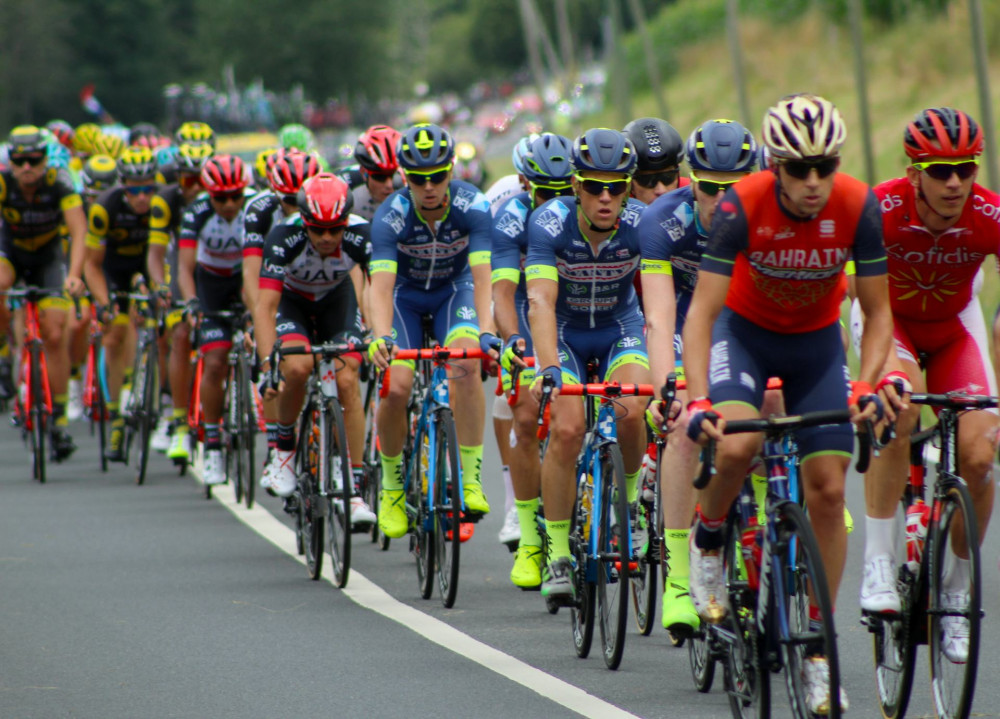
Stage races like the Tour de France, Giro d’Italia, and Vuelta a España are a different beast altogether. Spanning two to three weeks, they test not only individual strength but also team support, recovery, and tactical discipline.
Favorites tend to be more reliable in these events, which means outright winner markets often offer limited value. Instead, the smart play is often in secondary markets—such as stage winners, points classification, or King of the Mountains bets. These categories reward specialists: sprinters, climbers, or time trialists who may not contend for the overall title but can shine on specific days.
Timing is another crucial factor. In long races, odds shift daily as form and fatigue evolve. A rider who looks strong early might fade later, while a slow starter could come good in the final week. Bettors who follow the race closely and anticipate these swings can find excellent value before the market adjusts.
Læs også:
Data, Trends, and Context
Whether you’re betting on a one-day race or a grand tour, success comes from combining data with context. Historical results, course profiles, and weather forecasts all matter—but so does understanding the human side of the sport.
- Course profiles: Hilly routes favor punchy climbers, while flat stages suit sprinters.
- Weather: Crosswinds, rain, and heat can completely reshape a race’s dynamics.
- Motivation and schedule: A rider targeting the Tour de France may not be at full strength in the spring classics, while others build their season around those very races.
By blending these factors, bettors can spot value before the odds fully reflect reality.
Psychology and Momentum
Cycling isn’t just physical—it’s deeply psychological. In one-day races, confidence and momentum can make all the difference. A rider coming off a recent win may carry that energy into the next big classic. In stage races, mental resilience is key: the ability to handle pressure, recover from setbacks, and stay focused over three weeks often separates the contenders from the rest.
For bettors, mental cues can be a hidden edge. Pay attention to interviews, team statements, and social media. A rider who sounds confident and relaxed may be ready to surprise, while one showing signs of fatigue or frustration might be a riskier pick.
So, Where’s the Betting Value?
In short:
- One-day races offer high risk but also high reward—perfect for bettors who can spot undervalued outsiders.
- Stage races reward patience and analysis, especially in side markets and live betting, where odds evolve with the race.
The best approach may be to combine both strategies: use one-day races to identify riders in top form, then apply that insight when the grand tours roll around. By balancing the chaos of the classics with the structure of stage racing, you can find value across cycling’s most thrilling events.
Læs også: