Motivation and Goal Setting: The Key to Analyzing Riders’ Performance

Motivation and Goal Setting: The Key to Analyzing Riders’ Performance
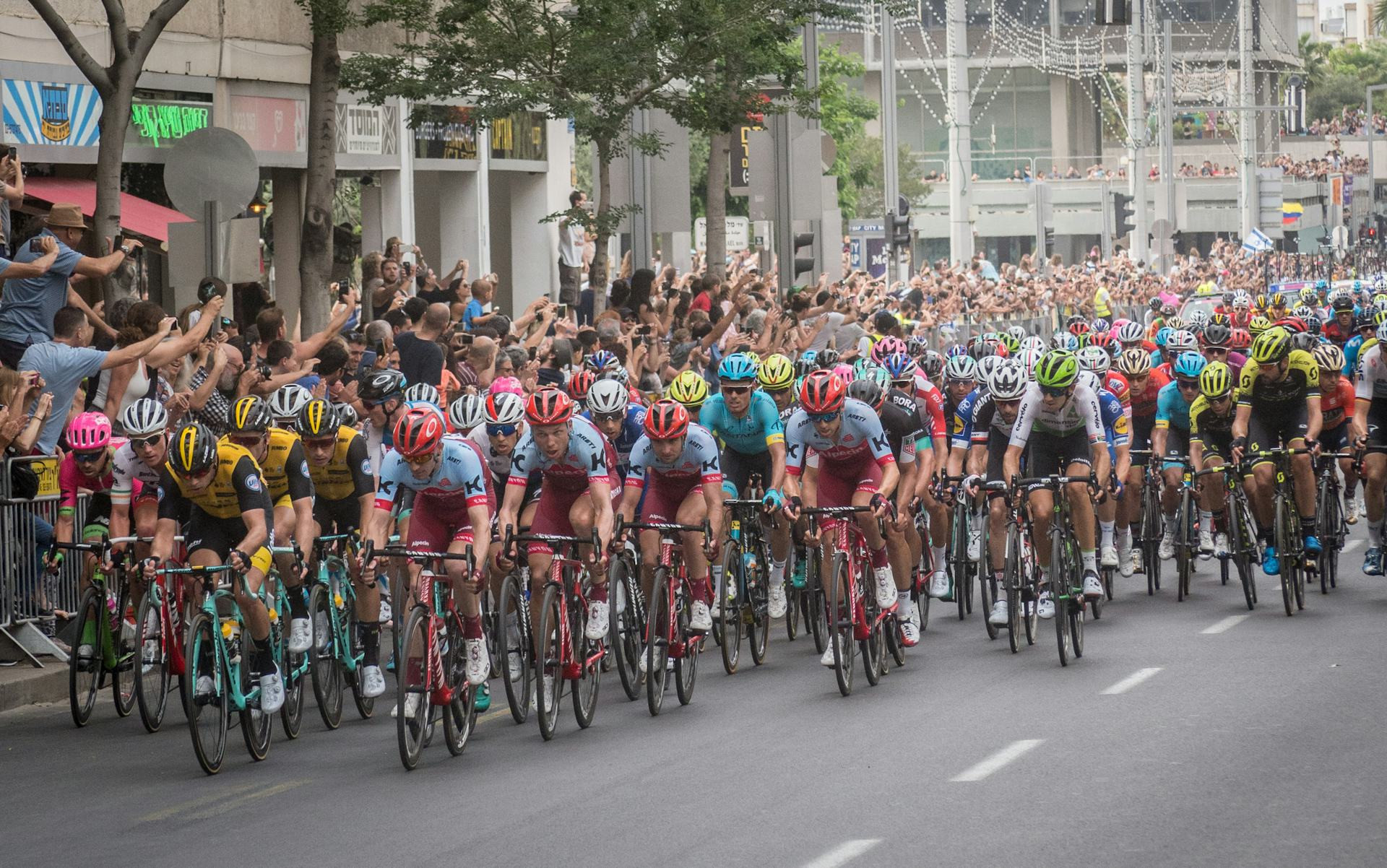
When we watch professional cyclists powering up mountain passes or sprinting toward the finish line after hours in the saddle, it’s easy to focus on the physical side of performance—watts, heart rate, and VO₂ max. Yet behind every great ride lies a mental dimension that’s just as crucial: motivation and goal setting. To truly understand a rider’s performance, we need to look at how their inner drive and ability to set meaningful goals shape their training, competition, and long-term development.
Motivation – The Fuel Behind Performance
Motivation is what gets a rider out of bed before sunrise for a training ride in the rain, and what keeps them pushing when their legs are screaming to stop. In sports psychology, motivation is often divided into intrinsic and extrinsic types.
- Intrinsic motivation comes from within—the love of the sport, the joy of improvement, and the satisfaction of competition itself.
- Extrinsic motivation stems from external rewards such as results, recognition, contracts, or prize money.
The most successful riders find a balance between the two. Too much focus on external rewards can lead to stress and burnout, while strong intrinsic motivation tends to foster lasting engagement and enjoyment of the sport.
Goal Setting as a Guiding Tool
Clear goals can make the difference between a focused training plan and a scattered season. Sports psychologists often recommend using SMART goals—specific, measurable, attainable, relevant, and time-bound.
For a cyclist, that might mean setting objectives such as:
- improving average power output on 20-minute intervals by 5% within three months,
- finishing a stage race without losing time on climbs,
- or qualifying for a particular event next season.
When goals are well-defined, it becomes easier to plan training, track progress, and stay motivated—even when results take time to appear.
The Mental Game in Competition
During a race, it’s not just the legs that determine the outcome. Mental strength plays a central role. The ability to handle pressure, maintain focus, and believe in one’s abilities can make all the difference in the final miles.
Riders who actively work on mental training often use visualization, positive self-talk, and pre-race routines to stay calm and centered. It might be as simple as repeating a personal mantra before a climb or mentally rehearsing the perfect race the night before.
The Cycle of Motivation – Highs and Lows
Even the most dedicated riders experience dips in motivation. Injuries, disappointing results, or mental fatigue can all take their toll. It’s important to recognize that motivation isn’t constant—it fluctuates.
Coaches and performance analysts can help riders navigate these cycles by:
- varying training routines to prevent monotony,
- offering constructive feedback instead of focusing solely on mistakes,
- and fostering an environment where setbacks are seen as opportunities to learn rather than failures.
When riders feel supported and understood, they’re more likely to rediscover their inner drive.
Læs også:
Data and Psychology – Two Sides of the Same Coin
In modern cycling, data analysis plays a massive role. Power meters, heart rate monitors, and GPS tracking provide precise insights into physical performance. But numbers don’t tell the whole story. A rider performing below expectations might be physically fit but mentally drained.
That’s why more teams are combining physical data with psychological assessments—such as surveys on motivation, sleep quality, and stress levels. This integrated approach offers a more complete picture of the athlete and allows for training adjustments that address both body and mind.
From Analysis to Growth
Analyzing riders’ performance isn’t just about identifying weaknesses—it’s about understanding the connection between motivation, goal setting, and results. A rider who sets realistic goals and maintains strong intrinsic motivation is more likely to develop consistently over time.
For coaches, analysts, and fans alike, this insight is invaluable: the best performances happen when body and mind work in harmony. Motivation and goal setting aren’t just background factors—they’re the key to understanding why some riders reach the top while others stall along the way.
Læs også: